
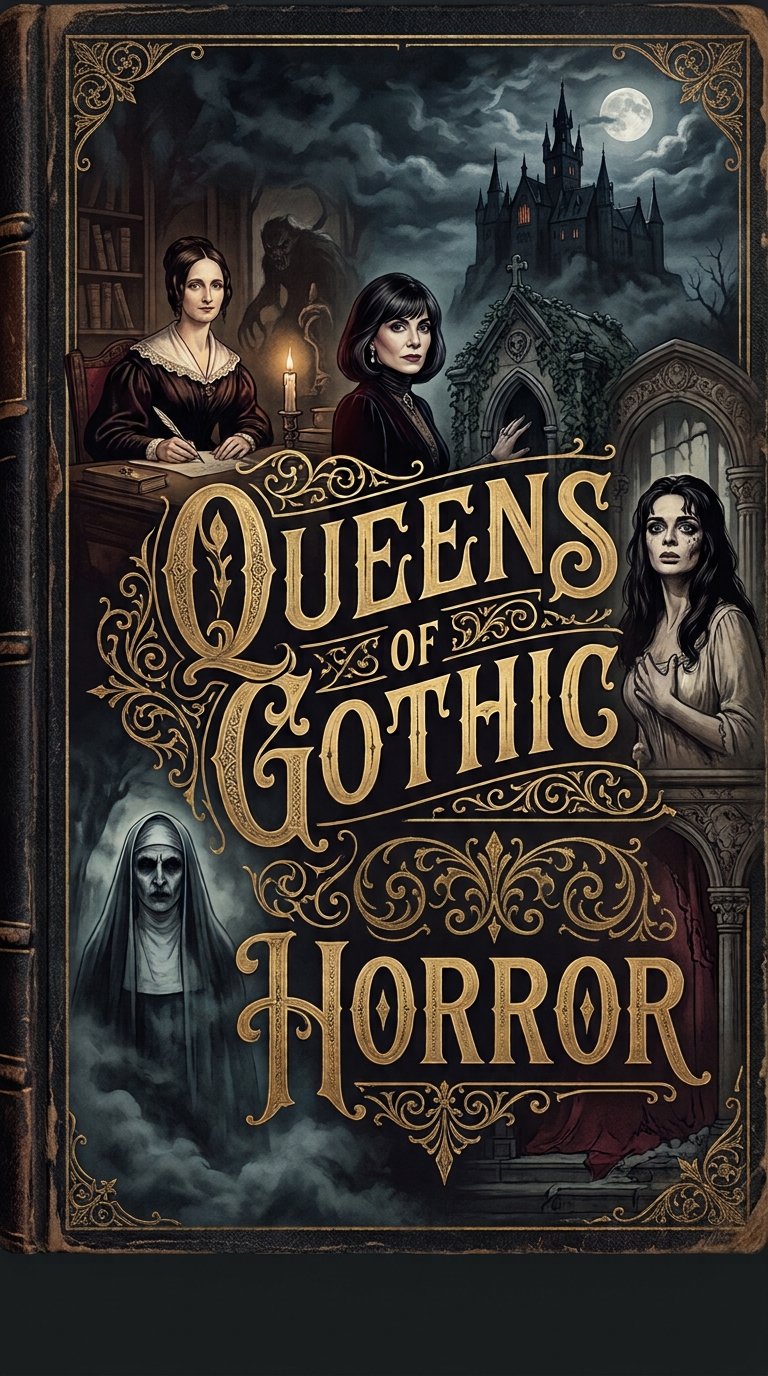
Gothic horror has always had its queens. They have haunted its castles, written its nightmares, breathed life into vampires and given its monsters faces we have never forgotten. From the pages of Mary Shelley and Anne Rice to the haunting performances of Barbara Steele and Ingrid Pitt, women have played an extraordinary role in shaping the genre. Yet their contributions are sometimes treated as separate histories. In truth, they helped create the same dark world, one that continues to evolve long after the candles have burned down in its castles.
Gothic horror has always offered something particularly suited to exploring the darker side of the human experience. Its decaying estates, family secrets, forbidden desires, tragic figures and supernatural terrors provide a setting where horror and beauty can exist side by side. Women have not simply occupied these stories, they helped define them. Some created the monsters, others became their unforgettable faces and many challenged the conventions of the genre.
The Women Who Built The Darkness
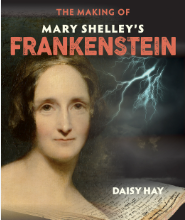
Long before horror became a recognizable literary and cinematic genre, Mary Shelley gave the world Frankenstein. Published in 1818, her novel remains one of the most influential works of Gothic fiction. Victor Frankenstein’s creation was more than a frightening experiment gone wrong. He was a tragic figure, abandoned by his creator and rejected by a world that feared his appearance. Shelley explored the dangers of unchecked ambition, the responsibilities of creation and the consequences of treating something unfamiliar as monstrous. Her work helped establish a tradition in which horror could not only come from the creature itself but from the human beings that brought it into existence.
Other women continued to shape the Gothic tradition. Daphne du Maurier brought a more psychological darkness with Rebecca, Published in 1938, her novel brought an imposing estate and the lingering presence of a dead woman created an atmosphere of obsession and unease. Shirley Jackson later turned the haunted house into something far more disturbing and intimate with The Haunting Of Hill House, published in 1959, suggesting that the most frightening place may be the one that understands its inhabitants better than they understand themselves.
Then came Ann Rice, whose influence on Gothic horror deserves special attention, with Interview With The Vampire, published in 1976, she transformed the vampire from a creature of folklore and conventional menace into something deeply introspective, sensual and tormented. Her vampires were immortal but immortality was hardly a gift. They wrestled with loneliness, morality, desire and the burdens of existing long past the normal human lifespan. Rice gave Gothic horror a new emotional dimension, creating monsters that could be beautiful and repulsive, sympathetic and monstrous, sometimes within the same breath. Her work helped redefine the modern literary vampire and inspired generations of writers to explore the darkness beneath the supernatural.
The Faces Of Gothic Horror
On screen, few actresses embodied Gothic horror as completely as Barbara Steele. With her striking features and haunting screen presence, she became one of the defining faces of the genre. Her performances in Black Sunday (1960), The Pit And The Pendulum (1961) and The Horrible Dr. Hichcock (1962) gave Gothic cinema an unmistakable image: beautiful, mysterious and touched by something profoundly sinister.

Barbara Steele was not alone in defining the look and feel of Gothic horror. Ingrid Pitt brought a bold, sensual presence to Hammer’s vampire films, giving her characters a confidence and danger that made them far more than traditional victims. Hazel Court offered a different kind of elegance, balancing refinement with an underlying menace that made her perfect for the genre. Whether portraying a woman caught in a web of supernatural terror or one whose own desires carried a darker edge. These actresses understood how much Gothic horror depends on presence. They could make a glance, a silence or a carefully restrained expression feel as unsettling as any monster on screen.
The Gothic Queens Of Today
Gothic horror continues to find new life with actresses who understand its power lies in atmosphere, psychological unease and the darkness beneath ordinary appearances. Eva Green brought that theatrical intensity to Penny Dreadful (series 2014-2016). She portrayed Vanessa, a woman caught between faith, forbidden power and forces threatening to consume her.
Taissa Farmiga brought vulnerability and determination to The Nun (2018) as Sister Irene, a young woman whose faith is tested by an evil beyond anything she has encountered. Her quiet resolve makes her a compelling counterpart to the demonic presence, giving the film a tension between spiritual conviction and absolute terror. The film’s ancient abby, shadowed corridors and buried secrets draw directly from Gothic tradition.

Mia Wasikowska’s Crimson Peak (2015) offered a return to romantic Gothic horror, filled with decaying grandeur, family secrets, doomed passions and ghosts that refuse to stay buried. Together these performances show that Gothic horror need not imitate the past to honor it. Its fascination with haunted histories and the darkness behind respectable appearances remains as powerful as ever.
The Darkness Is Still Being Written
The Gothic traditions belong as much to the women writing horror today as it does to those who established it decades ago. New authors continue to explore haunted histories, family secrets, forbidden desires and the darkness that exists beneath seemingly normal lives. Writers such as Silvia Moreno-Garcia, whose novel Mexican Gothic reimagines the haunted house tradition through a distinctly modern lens, demonstrate just how much room remains for the genre to evolve.
As a woman writing horror myself, I find that legacy inspiring. Mary Shelley, Shirley Jackson and Anne Rice each expanded on what horror could be. While actresses like Barbara Steele gave its darkest creations unforgettable faces. Their influence isn’t simply something to admire from a distance. It is something today’s writers and filmmakers can carry forward, reshape and make their own. The queens of Gothic horror have never needed a throne, their kingdom exists in haunted houses, cursed bloodlines and the darkest corners of the imagination.