
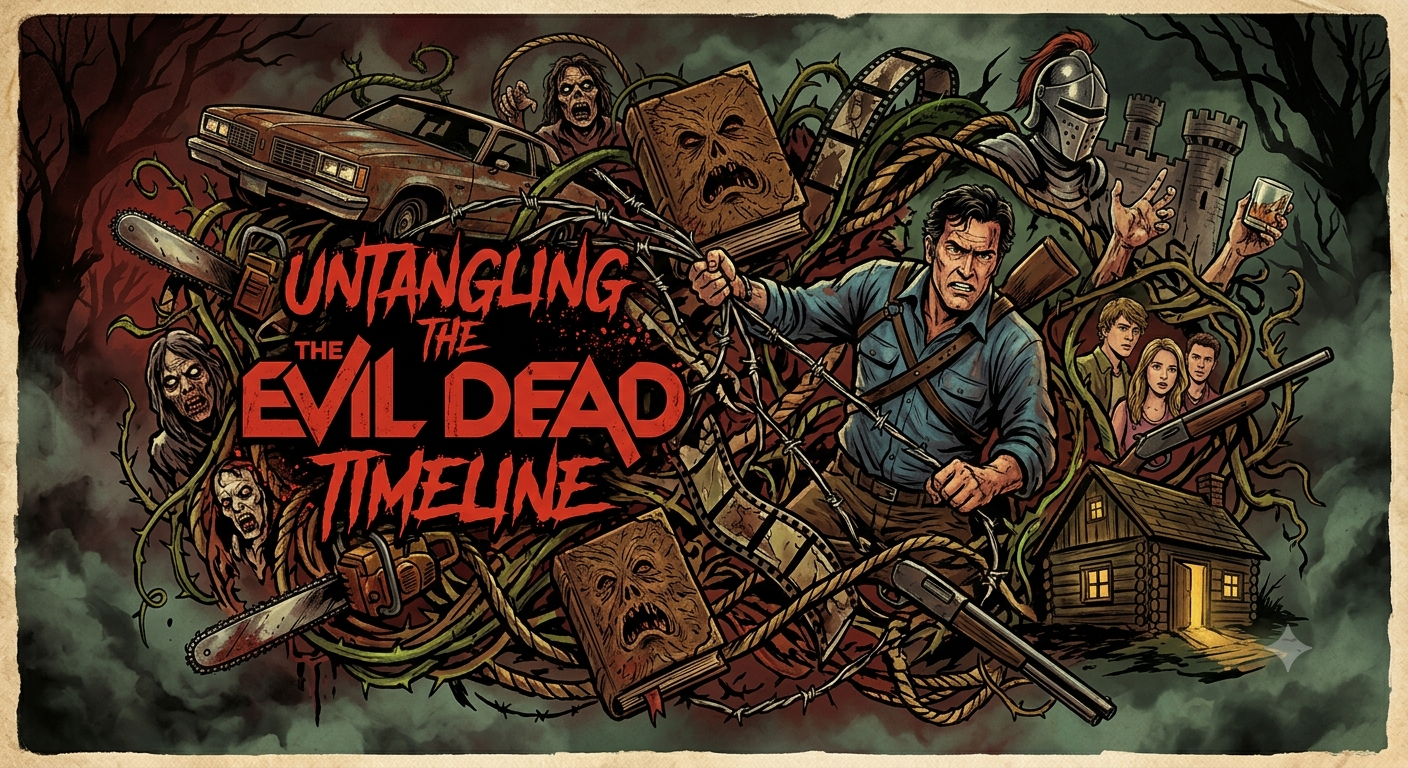
Few horror franchises have evolved quite like Evil Dead. What began in 1981 as a low budget cabin in the woods nightmare has grown into one of horror’s most enduring series. It spans films, television, reboots and enough continuity debates to fill a Necronomicon. With another Evil Dead film on the horizon, fans once again ask the same questions. Is this still Ash Williams’ world? Was the 2013 film really a reboot? Does Evil Dead: Rise connect to the original trilogy? And where does Lee Cronin’s The Mummy fit into all of this?
The answers are more satisfying than many people realize.
It All Started In A Cabin
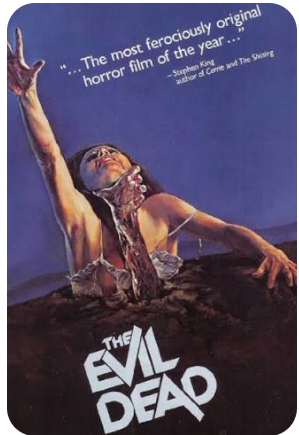
When Sam Raimi’s Evil Dead came out in 1981, nobody expected it to become a horror landmark. The story was simple enough: five friends travel to an isolated cabin, discover an ancient book known as the Necronomicon Ex-Mortis and unknowingly unleash demonic forces known as Deadites. By the end of the blood soaked film, only Ash Williams survives.
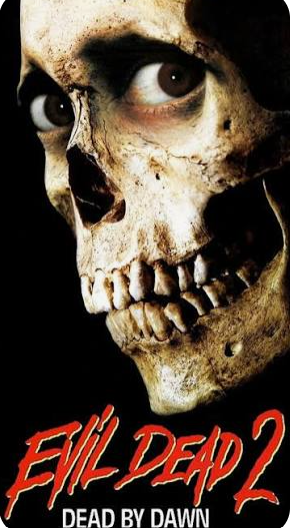
The sequel, Evil Dead II (1987) is where the confusion begins. Because of rights issues surrounding footage from the original film, Raimi couldn’t just continue the story. Instead, he condensed and partially retold the events of the first story before moving it forward. To longtime fans it has become a remake and a sequel but once you accept that quirk, the trilogy falls into place.
Army Of Darkness (1992) completed Ash’s original journal, transporting him to medieval England where he battles Deadites and an army of skeletal warriors. While the tone shifted from relentless horror to horror-comedy, the mythology around the Necronomicon continued to grow.
For years the trilogy was the Evil Dead universe.
Ash Never Really Left
Many assumed Ash’s story ended with Army Of Darkness but Bruce Campbell returned decades later in Ash VS Evil Dead (TV series 2015-2018). The series embraced everything fans loved about the character while expanding the mythology of the Deadites, the Necronomicon and the consequences of Ash’s past mistakes.
More importantly, the series confirmed that Ash’s adventures still mattered. Nothing had been erased. The original trilogy still remained the anchor and evil was very much still alive.
That will become an important detail when the franchise makes it back to theaters.
The “Reboot” That Wasn’t
When Evil Dead arrived in theaters in 2013, audiences naturally assumed it was a remake of the original. It featured an entirely different cast, a new group of friends and a trip to a familiar looking cabin. Ash never appeared during the story and the film took a much darker, bloodier approach than Raimi’s later entries.
For years fans debated whether this movie replaced the original timeline. Then something interesting happened.
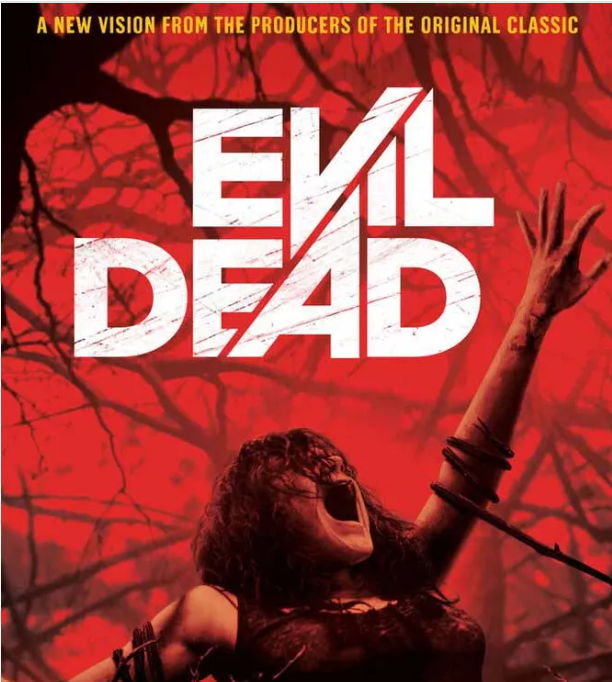
Bruce Campbell and the filmmakers gradually suggested that the film wasn’t meant to erase Ash’s legacy. Instead it was just another horrific encounter with forces unleashed by the Necronomicon. Even Ash’s brief “Groovy” cameo after the credits roll hinted that the worlds could coexist.
Rather than replacing the original story, the 2013 expanded on the idea that the evil contained inside of the book could strike anyone unfortunate enough to awaken it.
Evil Dead Rise Changed Everything
If the 2013 film blurred the lines between reboot and sequel, Evil Dead Rise (2023) brought them into sharper focus.
Instead of returning to a cabin in the woods, the film moved the horror into a decaying Los Angeles apartment building. The change of scenery proved that the Deadites didn’t need isolation in the woods to thrive. Evil could invade anywhere.
The biggest revelation, however, wasn’t the setting. It was the book.
Hidden beneath the apartment building is another volume of the Naturom Demento. Discovered with it are old vinyl recordings documenting priests who had studied its horrifying power. Those recordings reveal something fans never considered before: there wasn’t just one Book Of The Dead.
There were multiple volumes.
That single revelation quietly solved one of the franchise’s longest-running continuity debates. The different appearances of the books, the variations in their powers and the separate outbreaks of Deadite possession no longer needed complicated explanations. Different books could unleash different horrors while still belonging to the same mythology.
Instead of breaking continuity, Evil Dead Rise strengthened it.
What About The Mummy?
Just when fans thought that Evil Dead Rise had explained the franchise about as far as it could go, Lee Cronin threw in a new twist. After the release of The Mummy (2026), he confirmed that the film exists in the same universe as Evil Dead. At first glance, that seems impossible. There are no Deadites, no Necronomicon and no familiar incantations. Instead, the horror is rooted in an ancient Egyptian demon, Nasmaranian, that possesses a young girl.
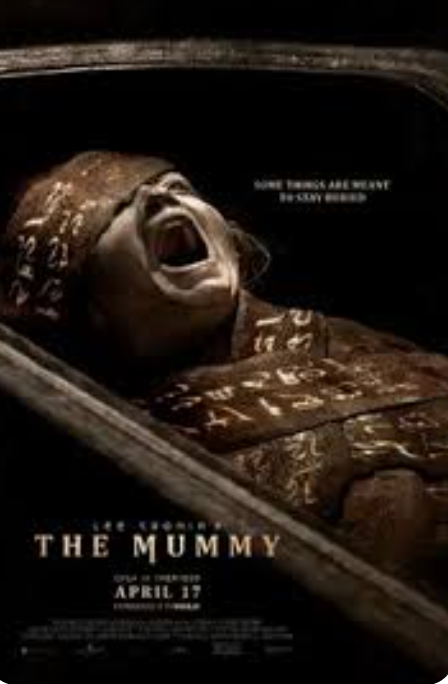
But that’s exactly what makes the revelation so fascinating. It suggests that the Evil Dead universe is much larger than a few demonic books. The Necromincon may be one gateway to supernatural evil but it’s not the only one. Ancient curses, forgotten rituals and other malevolent forces can exist beside the Deadites without contradicting anything that came before.
It’s a subtle but significant shift in the mythology. Rather than build a franchise around one cursed artifact, Cronin appears to be expanding it into a shared horror universe where multiple supernatural nightmares coexist. If that’s the plan, the next Evil Dead film could continue to broaden that mythology in ways fans never expect.
Looking Ahead: Evil Dead Burn
That brings us to the next chapter.
Directed by Sebastien Vanicek, Evil Dead Burn continues the franchise’s evolution by telling another standalone story within the ever-expanding Evil Dead universe. The film follows Alice, a grieving widow who seeks comfort with her late husband’s family at their secluded home. What begins as a chance to mourn together quickly becomes a nightmare when the Book Of The Dead unleashes a Deadite outbreak. The filmmakers have described the deteriorated gathering as “a family reunion from hell.” If the trailers are any indication, Burn looks poised to deliver the same relentless brutality fans have come to expect while exploring the emotional toll of grief, loss and family.
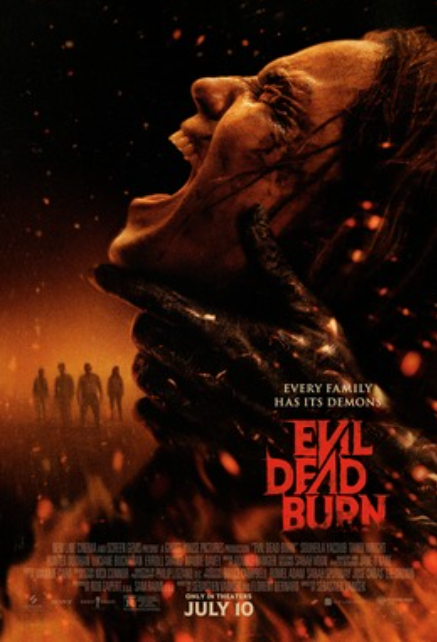
More importantly, Evil Dead Burn represents how far this franchise has come. What started as one terrifying night in a lonely cabin has grown into an expansive mythology that no longer depends on a single location, or even a single hero. Ash Williams will always be the heart of Evil Dead but thanks to films like Evil Dead 2013, Evil Dead Rise and even Lee Cronin’s The Mummy, the universe continues to grow in exciting new directions. More than forty years after Sam Raimi introduced audiences to the Necronomicon, the nightmare is still evolving.
And for horror fans, that’s a beautiful thing.