
“Horror films don’t create fear. They release it.” Wes Craven
Horror has always been a genre where the rules are different. In almost every other type of film, a lack of money, questionable special effects and an absurd premise are considered weaknesses. In horror, those things become part of its charm. A movie with a massive budget and a team of hundreds of artists can also become part of the charm. Those films sit on the same shelf as a low budget creature feature with a ridiculous idea and a dream with both finding an audience.
That is because horror has never been about quality. It has always been about the experience.
The Art Of Being Ridiculous
A great B movie understands one simple rule: if you’re going to have a ridiculous premise, commit to it. They don’t wink at the audience every five minutes or apologize for the insanity. They embrace it. Horror fans can smell hesitation a mile away but they’ll happily follow a filmmaker who’s willing to go all in.
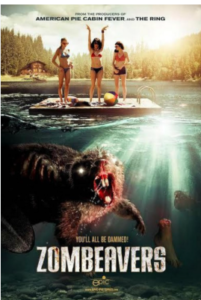
Take Zombeavers (2014). The title alone tells you everything you need to know. Radioactive waste transforms a colony of beavers into flesh hungry monsters that terrorize a group of unsuspecting college students at a lakeside cabin. It sounds like a premise that was invented as a joke, yet the filmmaker never treats it like one. Then lean into absurdity with practical effects, over the top kills and just enough self awareness to let the audience laugh without ever making fun of the movie itself.
Then there’s Attack Of The Lederhosen Zombies (2016), a film that somehow combines snowboarding, a luxury ski resort, Austrian folklore and a zombie outbreak into one gloriously chaotic package. It shouldn’t work and that’s exactly why it does. The movie understands that once you’ve accepted the plot, the only thing left to do is have as much fun as possible with it.
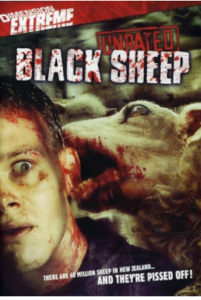
One of my personal favorites is Black Sheep (2006), the New Zealand horror comedy where genetically engineered sheep become bloodthirsty killers. The idea is so outrageous that it sounds like a parody, yet the film delivers surprisingly impressive practical effects and enough gore to satisfy even seasoned horror fans. It never forgets that the audience came to watch killer sheep and it delivers exactly that.
Another cult favorite is Rubber (2010), perhaps one of the strangest horror films ever made. The villain is an abandoned tire named Robert who discovers he has psychic abilities and begins exploding people’s heads. On paper, it sounds impossible to take seriously. On screen, it becomes an oddly fascinating blend of horror, comedy and surrealism that somehow manages to be ridiculous and surprisingly compelling.
That’s the secret ingredient all these films possess. They don’t succeed because they’re realistic. They succeed because they are fearless. Some had outrageous ideas, convinced enough people to to help bring it to life and trusted horror fans would appreciate the ride.
More often than not, we do.
The Jump Scare: Cheap Trick or Horror Gold?
Few topics divide horror fans quite like the jump scare. Mention it at any horror convention or online forum and you’ll quickly find two camps. One argues that the jump scare is the lowest form of horror, designed to make audiences spill their popcorn. The other insists they are just another tool in a filmmaker’s arsenal. Both sides have a point.
We’ve all seen the formula. The music fades into silence. A character walks slowly through a dark house, pausing at every doorway. The camera lingers just long enough for the audience to tense up before a cat leaps off a dresser or one of their friends appears suddenly behind them. The orchestra blasts, the audience jumps and five seconds later everyone realizes nothing happened. A loud noise can startle anyone but startling someone is not the same as frightening them.
Of course not every jump scare deserves to be criticized. Some have become iconic because they’re executed with precision not volume. Think of the chest burster scene in Alien (1979). While not a traditional jump scare, its sudden eruption is so shocking because the audience has been lulled into believing the danger had passed. The infamous hallway sequence in Exorcist III (1990) remains one of horror’s greatest scares. While films like The Conjuring (2013) and Insidious (2010) prove that director James Wan understands a jump scare works best when it’s built on atmosphere instead of a loud musical sting.
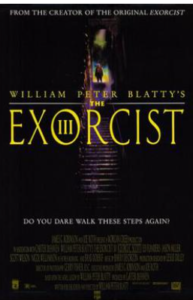
Not every film maker is so restrained. Movies like The Nun (2018) and Boogeyman (2023) have been criticized for using too many fake outs, loud orchestra crashes and scares that often announce themselves long before they arrive. There’s nothing wrong with making an audience jump but when every dark hallway, creaking door or medicine cabinet becomes another set up for the same trick, surprise eventually gives way to predictability. The most memorable jump scares aren’t the loudest. They are the ones you never see coming.
Director Mike Flanagan has spoken openly about his dislike of relying on jump scares as a storytelling crutch. He prefers slow building dread, rich characters and emotional investment over the barrage of loud strings. Ironically, he also directed what many horror fans consider to be one of the greatest jump scares ever filmed.

Midway through The Haunting Of Hill House (series, 2018), two sisters are locked in an emotional argument while driving. The audience becomes so invested in their conversation that thoughts of ghosts slip away completely. Then, without warning, the ghost of their dead sister suddenly erupts between them with a bloodcurdling scream, shattering both the argument and the audience’s sense of safety. The moment works because it’s not random or unearned, it grows naturally from the tension that had been building throughout the episode. That’s the difference between a cheap jump scare and a great one. One simply makes you jump. The other makes you remember.
Why We Love Them
Whether it’s a masterpiece of suspense or a movie about zombie beavers terrorizing a lakeside cabin, horror has always welcomed the unusual. No other genre embraces such a wide range of ideas, budgets and filmmaking styles while asking audiences to enjoy them on their terms. One night horror fans are dissecting the psychological trauma of Hereditary (2018). The next they’re cheering as killer sheep, psychic tires or undead snowboarders wreak havoc across the screen.

That’s because horror isn’t measured solely on its budget or critical acclaim. It’s measured by the experience it creates. A great horror film might leave you sleeping with the lights on. A gloriously ridiculous B movie might leave you laughing with your friends for years. Both have succeeded in exactly what they set out to do.
Whether the scare comes from a slow burning ghost story, a perfectly timed jump scare or a creature that looks like it escaped the discount bin at the local Halloween store, horror reminds us that entertainment doesn’t have to be perfect to be memorable. Sometimes the cheapest thrills are the ones we remember the longest and horror fans wouldn’t have it any other way.