
High school is supposed to be about finding yourself. Horror movies, however, have spent decades suggesting that the real trick is surviving everyone else while you do it.

That might be why high school and horror go so well together. You already have cliques, bullies, humiliations, gossip, impossible expectations and the constant pressure to try and figure out where you belong. Add a monster, a murderer or something crawling around in the basement and you’ve barely changed the atmosphere.
The best high school horror doesn’t always need a haunted locker room or a demon hiding in the gymnasium. Sometimes the school is toxic long before anything supernatural shows up. Horror simply takes the ugliest parts of teenage life and pushes them far enough that we can finally see them for what they are.
Because not every toxic high school is toxic in the same way. Some are ruled by the popular kids. Some are built around humiliation. Some have adults who care a little too much about making teenagers behave. And some are filled with people who would rather become monsters than risk being different.
Welcome back to school.
The Popular Ones
Every high school has them: the kids who somehow seem to own the hallways.
They decide what is cool, what is embarrassing and, more importantly, who is worth knowing. The rest of the student body may act like they don’t care what the popular crowd thinks, but somehow everyone knows where they belong at lunch.

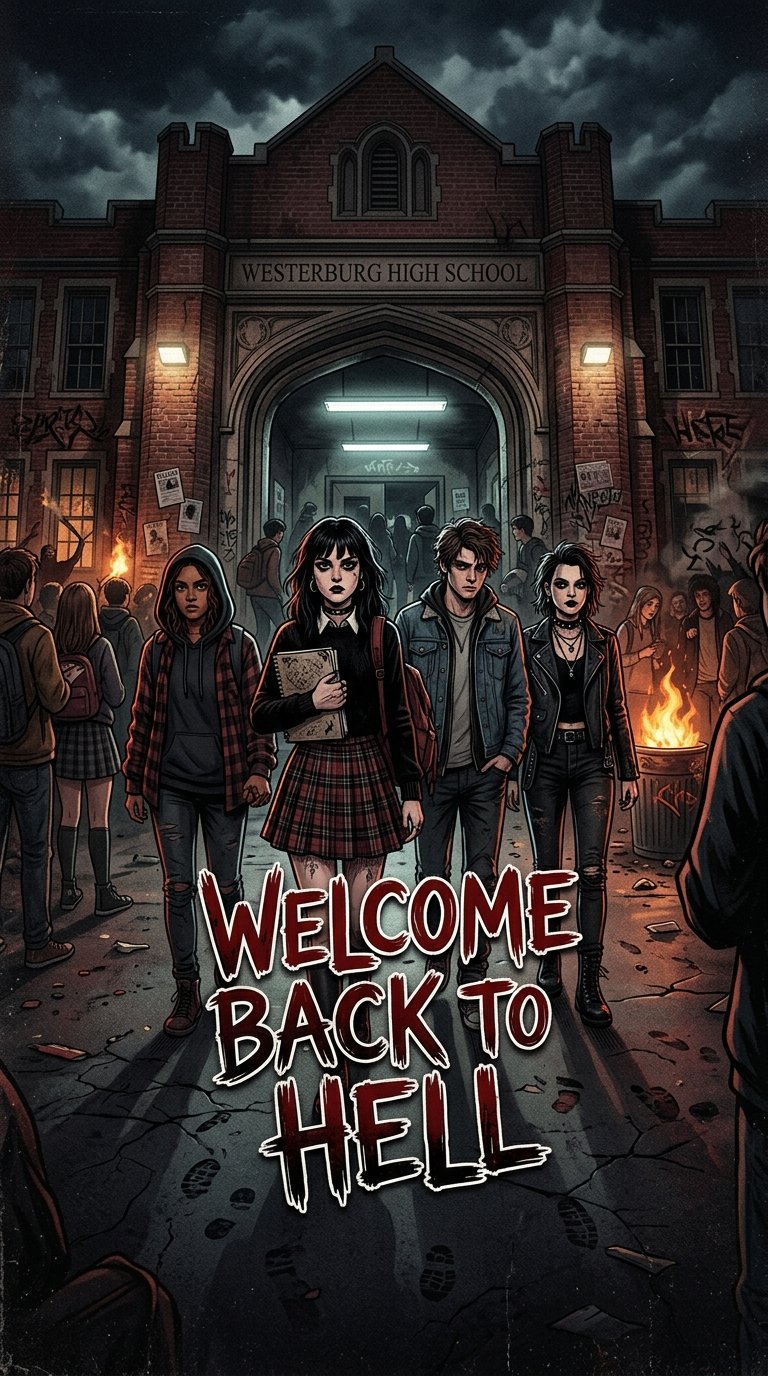
Westerburg High in Heathers (1988) may be one of horror’s clearest examples of what happens when popularity actually becomes a power structure. The Heathers aren’t just well liked. They rule. Their approval has value, their disapproval can ruin someone’s day, week, month or even year. Everyone around them understands that staying on the wrong side of the social hierarchy comes with consequences.
Jawbreaker (1999) operates in much of the same poisonous territory. Beneath all the expensive clothes and perfectly arranged social lives is the same ugly idea: maintaining your position at the top is more important than the people beneath you. Even Scream (1996) understands how quickly teenage life turns into a public spectacle. At Woodsboro High, relationships, rumors and reputation spread through the student body with almost as much speed as the latest murder.
The horror in these schools isn’t simply that the popular kids are mean. It’s that everyone else has been taught to care about their opinions. That’s the real power of popularity. You don’t have to force people to obey the hierarchy when they’ve already agreed that the hierarchy matters.
The Powerful Ones
Then there are schools where cruelty isn’t just a side effect of teenage life. It has become the culture.
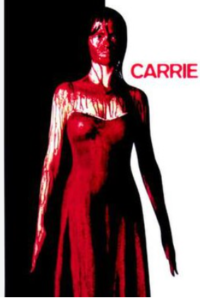
Ewen High in Carrie (original 1976, remake 2013) is brutal because Carrie isn’t simply picked on by one particular nasty bully. Her humiliation has become communal entertainment. Everyone knows who she is. Everyone knows where she belongs. And far too many people are comfortable treating her like a target.
That kind of cruelty appears throughout horror. The Craft (1996) understands the particular viciousness of teenage girls who know exactly where to stick the knife. Even if they’re not the one holding it. Jennifer’s Body (2009) takes popularity, jealousy and exploitation and wraps them in blood and dark humor. While All Cheerleaders Die (2013) takes the cruelty of the school’s pecking order and pushes it into supernatural territory, where the girls who once had power aren’t necessarily the ones holding it anymore.
What makes these schools toxic isn’t merely that bad things happen there. Bad things happen everywhere. It’s that the cruelty has become the norm.
The Nice Ones
Now these are the ones I would worry about. The popular kids? You can see them coming. The bullies? You know exactly who they are. But a school where everybody is suddenly nice? That’s when I would start looking for the exits. At Harrington High in The Faculty (1998) and Cradle Bay High in Disturbing Behavior (1998), the students become so agreeable, so cooperative and so perfectly behaved that you can’t help but wonder what happened to the teenagers beneath.
Because teenagers are not supposed to be perfect. They’re supposed to be moody, awkward, rebellious and sometimes a pain in the ass. They’re supposed to question authority and make stupid decisions. Take all of that away and replace it with perfect behavior and you’ve got something much creepier than a kid getting detention. You’ve got conformity and that’s where these films find their horror.

The scary part is nobody has to force you into line. Eventually you start wanting to fit in because everybody else already does. You stop questioning things. You stop standing out. You become one of them. And honestly, I would rather deal with the kid throwing the chair than one sitting in the corner smiling like nothing is wrong.
Everybody Wants To Fit In
Maybe that is the common thread running through nearly every high school in horror – wanting to fit in. Nobody wants to be the one standing alone.
Carrie wanted to be accepted. Veronica wanted to escape the social prison she helped build around herself. The students of The Faculty and Disturbing Behavior are confronted with conformity. Even the girls in The Craft find power, at least in part, by finding one another after being pushed to the edges of the high school social world.
The pressure to fit in doesn’t have to come with tentacles or telekinesis to be frightening. Most of the time, it doesn’t. It comes from a look across a cafeteria, a whispered rumor, a joke everyone else seems to think is funny or the simple knowledge that being different can make you a target.
The Blackcoat’s Daughter (2015) takes that isolation into a different direction, using its boarding school setting to create a feeling that its characters are trapped somewhere they don’t belong. Surrounded by rules, regulations and expectations, they cannot simply just walk away. That’s what makes high school such an excellent setting for horror. It’s one of the first places where many of us learn the pressures to be somebody else. Be prettier, be quieter, be tougher, be nicer and be popular. Don’t be weird. Don’t stand out. Or worse, don’t be yourself. The monsters may change but the fear rarely does.
No Hall Pass Required
Horror has given us plenty of terrible high schools, but the most toxic ones aren’t necessarily the ones with the highest body count. Sometimes the school itself is the monster, even if nobody ever says so. Westerburg High shows us what happens when popularity becomes power. Ewan High shows us what happens when cruelty becomes entertainment and Harrington High along with Cradle Bay High remind us how frightening it can be when everybody is supposed to fall in line.
Maybe that’s why high school works so well in horror. It’s already a place where you’re trying to figure out who you are. Horror takes that anxiety, adds a little blood and maybe a monster or two and reminds us of something we all already know: maybe high school really was hell.