
In horror, the most dangerous thing you can give someone is not your life. It’s your trust.
Horror movies have taught us that love can be many things: passionate, obsessive, eternal and occasionally something that ends with a body count.
While monsters hiding under beds or killers wearing masks get the most attention, some of the most terrifying figures in horror are the people who start out saying the right things. They bring flowers. They whisper promises. They tell you they love you.
Then they betray you, manipulate you, murder your friends or turn your relationship into a nightmare you can never escape.
The Manipulators: The Wolves In Sheep’s Clothing
The most dangerous romantic partners in horror aren’t the ones who immediately reveal themselves as monsters. They’re the ones who earn your trust first. They know exactly what you want to hear, how to make you feel safe and when to lower your defenses. By the time their true nature is exposed, you’re already trapped in a relationship built on deception.
Billy Loomis from Scream (1996) perfected the art of hiding in plain sight. To Sidney Prescott, he was the attentive boyfriend helping her navigate the terrifying murders happening in Woodsboro. In reality, he was the mastermind behind them. Billy didn’t simply betray Sidney’s trust, he carefully cultivated it. Every kiss, every comforting word and every apology was part of a calculated performance designed to make the final reveal all the more devastating. The real horror wasn’t that Ghostface was hunting Sidney. It was that she already invited him into her life.
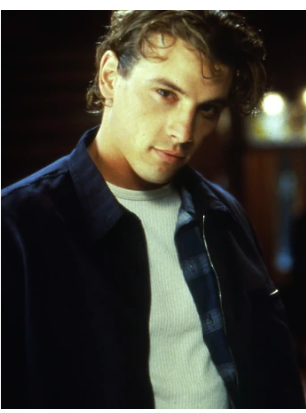
Patrick Bateman from American Psycho (2000) wears a different type of mask. Immaculately dressed, successful and impossibly confident, he embodies the image of the perfect young professional. Beneath that polished exterior, however, lies a man completely devoid of empathy. Bateman doesn’t see relationships as emotional connections. To him, people are accessories, status symbols to be admired, discarded and destroyed whenever they no longer serve a purpose. His charm isn’t genuine, it’s another carefully crafted part of his identity, making him every bit as dangerous as the violence lurking under the surface.

Then there’s Adrian Griffin from The Invisible Man (2020), whose horror feels disturbingly real. Adrian doesn’t rely on sudden acts of violence. He isolates, manipulates and controls Cecila long before she escapes him. When she finally leaves, his invisibility allows him to continue the abuse without ever being seen. He makes her life a living nightmare while convincing everyone around her that she’s imagining it. Adrian represents a type of horror that exists beyond the supernatural. He reminds us that the deepest scars often come from psychological abuse, where the greatest weapon is not brute force but the ability to make someone question their own reality.
What ties these men together isn’t just murder or manipulation, it’s betrayal. They understand that trust is much more powerful than fear. Once someone thinks they are safe, the real nightmare can begin. The most dangerous monsters aren’t the ones hiding under your bed. They’re the ones already laying beside you.
Hell Hath No Fury
Not every terrifying relationship in horror begins with lies or manipulation. Sometimes love is twisted into obsession. Sometimes attraction becomes a weapon. And sometimes affection becomes so possessive that it destroys the very person it’s meant to protect.
Asami Yamazaki from Audition (1999) is one of horror’s most unforgettable examples of romance turned nightmare. She first appears shy, polite and almost impossibly perfect. The kind of woman anybody would be lucky to meet. That’s exactly what makes her so frightening. Behind her quiet demeanor is a deeply disturbed woman whose idea of love is built on absolute possession. Once Asami reveals her true nature, affection gives way to psychological torment and unimaginable brutality. To her, love isn’t about trust and companionship. It is about complete control. If she loves you, she’ll make sure nobody else can.

Jennifer Check from Jennifer’s Body (2009) weaponizes attraction itself. Beautiful, confident and effortlessly charismatic, Jennifer uses coyness as bait. She lures unsuspecting boys into what they believe are romantic encounters before revealing the monster beneath the surface. Every smile, every lingering glance and every flirtatious word is part of the hunt. She doesn’t just prey on desire, she exploits it. It proves that sometimes the person who steals your heart is only interested in taking the rest of you as well.
While Annie Wilkes from Misery (1990) isn’t a romantic partner in the traditional sense. Her obsession mirrors the possessiveness of an abusive relationship. Annie doesn’t simply admire Paul Sheldon, she believes she owns him. She isolates him, dictates his every move, punishes him for disappointing her and convinces herself that every horrific act is because she “cares” about him. Her warped devotion is chilling because it strips away Paul’s freedom while masquerading as love. Annie reminds us that obsession doesn’t need romance to become deeply personal and terrifying.
Interestingly, horror also offers a tragic counterpoint in Helen Lyle from Candyman (1992). Unlike the others, Helen really isn’t the predator, she’s a victim. Drawn into Candyman’s obsessive fixation. She watches her life unravel as she is blamed for murders she didn’t commit and abandoned by the people she trusts most. By the film’s haunting conclusion, however, Helen has crossed a line few protagonists in horror get to do. She becomes part of the very legend that destroyed her. It’s a heartbreaking reminder that surviving a toxic relationship doesn’t always mean escaping it. Sometimes the horror changes you so completely that you become part of its legacy.
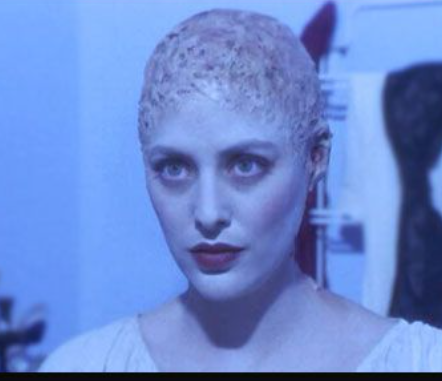
Whether driven by obsession, seduction or delusion, these women demonstrate that horror’s most unsettling relationships aren’t built on love. They’re built on possession. They blur the line between devotion and control, reminding us that affection without respect is never love at all.
Final Warning
Horror has always understood that the greatest monsters aren’t always lurking in abandoned houses or dark forests. Sometimes they share your bed, hold your hand or promise that they will never leave you. The most terrifying relationships in horror don’t always end in heart ache. Sometimes they end with betrayal, obsession and even death.
Whether it’s Billy Loomis hiding behind a boyfriend’s smile, Adrian Griffin using love as a control weapon. Asami equating obsession with affection or Helen Lyle being trapped in a legend she never wanted to be part of, these stories all ask the same unsettling question.
How well do you really know the one you love?