
By Kadrolsha Ona carole
What This Comparison Means
1. The Philosophy of Fear Has Changed
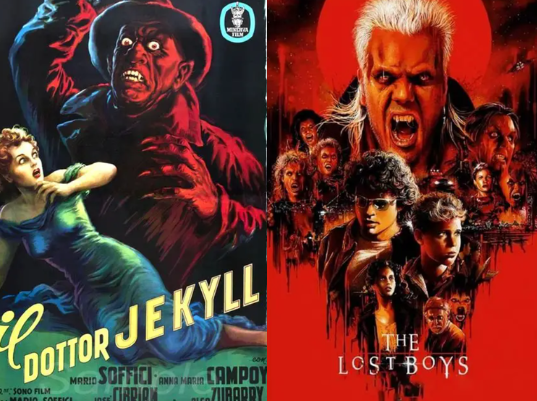
Classic horror believed fear came from what you don’tsee. Modern horror believes fear comes from what you can’t escape.
Yesterday’s horror leaned on:
· shadows
· suggestion
· mystery
· slow reveals
Today’s horror leans on:
· realism
· psychological breakdown
· social pressure
· sensory overload
This shift mirrors cultural changes: older audiences feared the unknown; modern audiences fear the world they already live in.
2. Monsters vs. Humanity
Yesterday: Monsters were external threats — vampires, ghosts, slashers, demons. Today: Monsters are often internal — grief (The Babadook), addiction (Hereditary), trauma (Smile), society (Get Out).
Classic horror externalized evil. Modern horror internalizes it.
3. Filmmaking Tools Changed the Genre
Classic horror relied on:
· practical makeup
· animatronics
· matte paintings
· theatrical lighting
Modern horror uses:
· CGI enhancements
· hyper-realistic gore
· digital color grading
· immersive sound design
This doesn’t make one “better” — it makes them different artistic languages.
4. Storytelling Became More Psychological
Classic horror followed clear arcs:
· setup
· haunting
· confrontation
· resolution
Modern horror often breaks structure:
· nonlinear timelines
· unreliable narrators
· ambiguous endings
· metaphor-heavy storytelling
Yesterday’s horror wanted to entertain. Today’s horror often wants to unsettle or comment on society.
5. Distribution Changed Everything
Classic horror lived in:
· theaters
· drive-ins
· VHS rentals
Modern horror thrives on:
· streaming platforms
· global simultaneous releases
· viral marketing
· TikTok reactions
This changed pacing: modern horror must hook viewers fast because streaming audiences can click away instantly.
6. Violence and Gore: From Suggestive to Explicit
Classic horror used:
· silhouettes
· screams
· cutaways
Modern horror often uses:
· graphic realism
· medical-level detail
· prolonged tension scenes
This reflects modern audiences’ desensitization and demand for intensity.
7. Prestige Horror Became a Thing
Yesterday: Horror was often dismissed as “low art.” Today: Directors like Ari Aster, Jordan Peele, and Robert Eggers turned horror into award-winning cinema.
Prestige horror blends:
· arthouse cinematography
· literary themes
· psychological depth
This didn’t exist in the same way decades ago.
The Bottom Line
Classic horror = atmosphere, mystery, iconic monsters. Modern horror = realism, psychology, social commentary.
Both eras are powerful — they simply aim to scare you in different ways.
Visit KO: https:www.queenoftheparanormal.com