
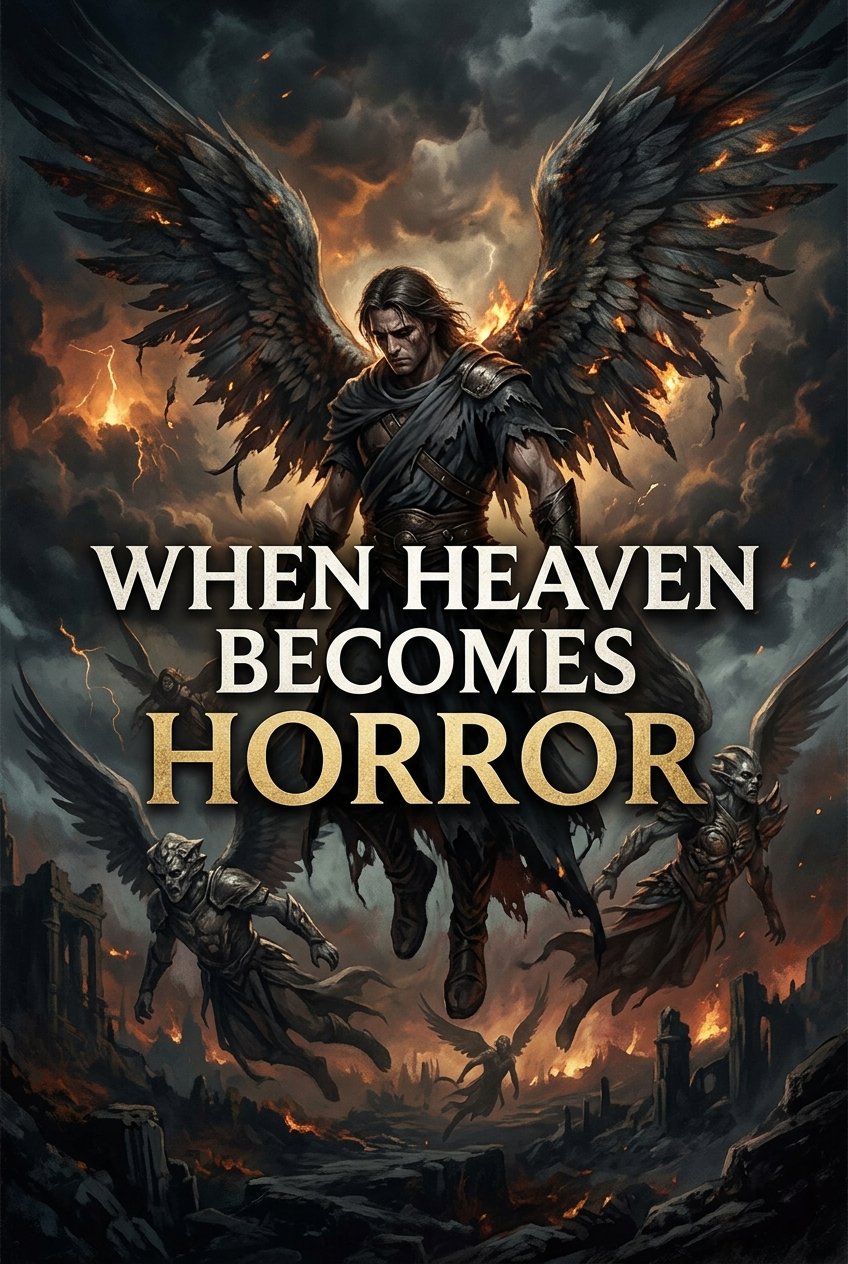
We tend to think we know what angels look like. White robes, golden light, enormous wings and a beautiful, impossibly serene face. Angels appear in paintings, Christmas decorations and countless movies as comforting beings, guardians who descend from Heaven when humanity needs help. Even when they possess incredible power, that power is reassuring. They are the good guys. They belong to Heaven and that place is supposed to be safe.
Horror has a much more interesting way of looking at them.
The angels described in some of the oldest religious texts are not nearly as comforting as the figures that have become familiar through centuries of art and literature. Some are described as having multiple faces, enormous wings, bodies surrounded by fire or cloaked in darkness. Others appear in forms so overwhelming that their first words to any human who encounters them is some variation of “Do not be afraid.” There’s something wonderfully unsettling about that command. If an ordinary looking stranger walks into a room, nobody needs to tell you to not be afraid. But if a being from Heaven has to reassure you before it begins speaking, perhaps the encounter was not meant to be comforting.
That disconnect between the angel we imagine and the angel described in ancient religious traditions have made the heavenly being a surprisingly effective creature of horror. They do not have to be evil to scare us. In some cases, they are more disturbing precisely because they aren’t.
The Angels We Think We Know
Popular culture has spent a long time making angels approachable. They have become guardians, messengers and supernatural companions who speak in familiar voices and have recognizable faces. Even when they possess extraordinary power, they are presented as beings whose presence is reassuring. We understand them because they look like us. We can read their expressions and assume that beneath the wings, there is a personality we can comprehend.
Horror has occasionally taken that familiarity and twisted it. In Fallen (1998), the supernatural threat hides behind every ordinary human face, making the familiar world feel untrustworthy. The horror comes from discovering that something supernatural can move among us without looking supernatural at all. That idea becomes particularly unsettling when applied to heavenly beings. If an angel truly came into our world, why should we expect it to look the way paintings have taught us they should?
There is nothing inherently frightening about a beautiful figure with wings but the ancient descriptions of heavenly beings was never intended to make them relatable. They were meant to communicate something overwhelming, something beyond the human experience. When Ezekiel describes strange, living creatures with multiple faces and wings alongside wheels covered in eyes, the imagery does not resemble the angel sitting on Christmas cards. It suggests a reality that is difficult, perhaps impossible, for a human mind to process. That is where horror begins to find an opening. Not in the idea that angels are secretly demons but in the possibility that something truly heavenly might be far stranger than anything we could imagine.
Be Not Afraid
The phrase “be not afraid” appears often enough in stories of angelic encounters that it has become almost comforting. An angel appears, the frightened human recoils and the heavenly messenger offers reassurance. But stripped of centuries of religious familiarity, the phrase raises an unsettling question: what did the person see that made fear the expected response?
The answer may lie in the nature of the encounter itself. A biblical angel is not just a human with wings. These beings can appear amid fire, thunder, brilliant light and forms that defy ordinary description. Their presence represents a sudden collision between the human world and the divine. The person witnessing the encounter is encountering a being from a reality they cannot understand.
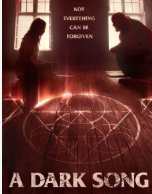
A Dark Song (2016) captures this idea particularly well. The film builds toward a supernatural encounter that refuses to make the divine recognizable or comfortable. When the angel finally appears, there is no sense that a human has been granted a friendly visitor from heaven. The presence is overwhelming, beautiful and deeply unsettling. It feels like something that belongs somewhere else and only briefly entered our world.
That is where angels become decidedly effective figures in horror. A monster usually frightens us because we understand what it wants. It is hungry, angry, vengeful or simply murderous. An angel can be frightening for the opposite reason. It may not hate you. It may not even care about you. It may be simply carrying out orders that are far beyond human understanding and our fear is irrelevant. We are irrelevant.
Gabriel: When The Angel Becomes The Horror
Few angels have been reimagined as often as Gabriel, and none has been given so many faces. In The Prophecy(1995), Christopher Walken is cold, arrogant and almost unnervingly calm. He is not a fallen angel pretending to be something else. He is an angel who believes in his own purpose and that makes him frightening. Walken never needs to turn Gabriel into a traditional monster. His confidence is enough. There is something disturbing about a heavenly being looking at humanity without the slightest hint that he considers us equals.
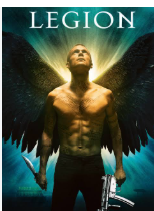
Legion (2010) takes Gabriel in a much more physical direction, turning him into a warrior of Heaven. His presence is no longer mysterious or slightly threatening. He is a force sent against humanity. His enormous power makes the familiar image of a protective angel almost meaningless. In The Devil Conspiracy (2022), Gabriel again becomes part of a bigger struggle between Heaven and Hell, reinforcing the idea that angels don’t have to be passive messengers. They can be soldiers, judges and weapons.
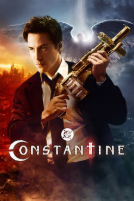
Constantine (2005) gives us perhaps the most interesting variation. Tilda Swinton, is beautiful, unsettling and utterly detached from ordinary human morality. The film also gives us Lucifer, the fallen archangel, played by Peter Stormare. Putting the two figures in the same story creates a fascinating contrast: one remains an angel and the other has fallen, yet neither fits the comforting image most people associate with the celestial. Lucifer may represent rebellion against God but Gabriel demonstrates that an angel does not have to fall to be frightening.
That may be the real horror hidden inside the image of Heaven. We expect demons to be terrifying because they have turned away from the divine. Angels are harder to understand because they have not fallen or turned away from God. They can be beautiful, powerful and completely obedient to God, while remaining totally alien to us. Perhaps Heaven becomes horror the moment we stop imagining angels as people with wings and remember what they may actually be: beings of another order, carrying out purposes we were never meant to understand.