

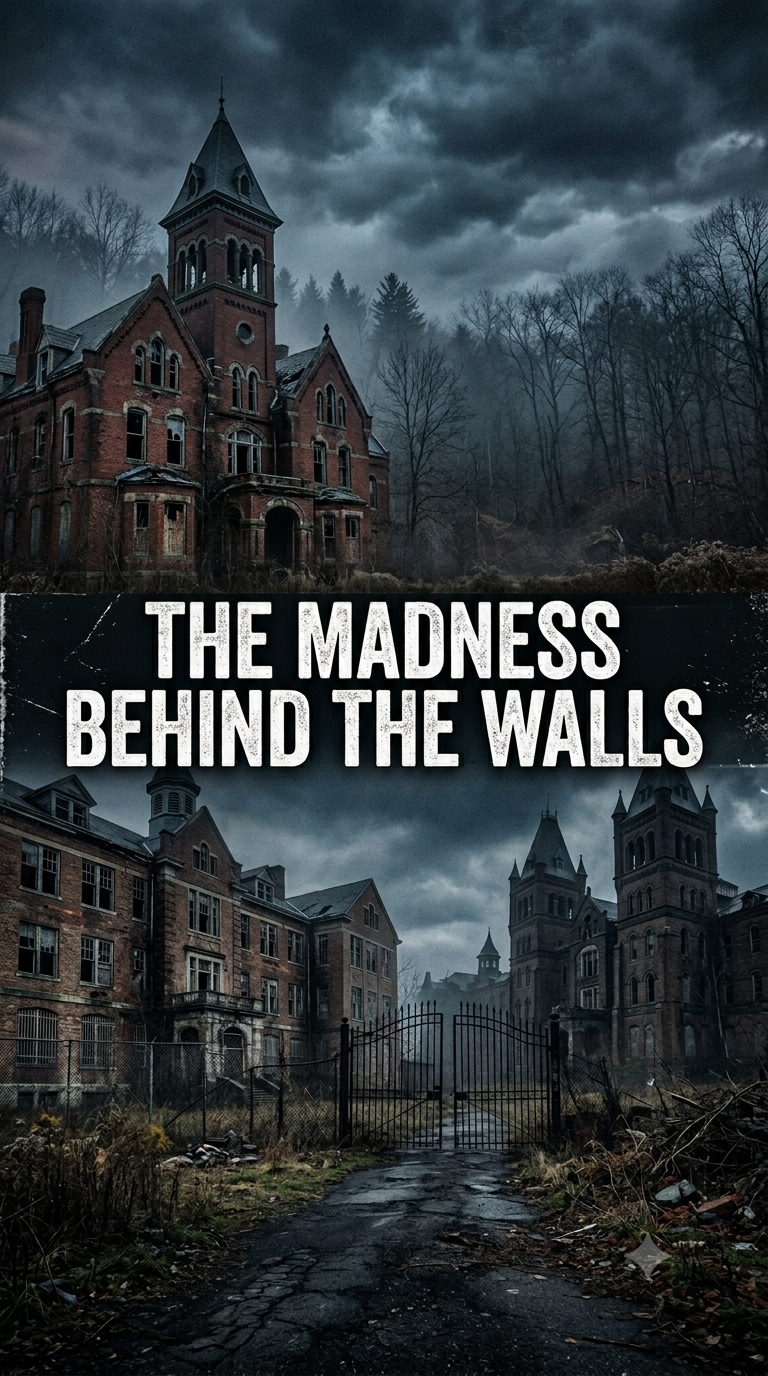
When most people think about haunted asylums, they imagine dark corridors, rusted wheelchairs sitting abandoned, and the distant sound of screams echoing through the hallways. Popular culture has taught us to associate these institutions with ghosts, madness and supernatural evil. Television shows dedicate entire episodes to investigating them. Paranormal researchers spend nights searching for evidence of restless spirits. Horror films repeatedly return to their crumbling wards and forgotten patient rooms.
Yet the true horror of these places rarely comes from ghost stories.
Long before they became destinations for thrill seekers and urban explorers, many psychiatric institutions were places of immense suffering. Some were built with noble intentions, founded during an era when society began recognizing that people with mental illness deserved treatment instead of imprisonment. Over time, however, overcrowding, underfunding, poor medical practices and down right abuse transformed many facilities into places where patients were neglected, experimented upon and forgotten. The stories that remain today are so disturbing that they make tales of hauntings seem almost insignificant by comparison.
The haunted asylum has become one of horror’s most enduring settings because it is rooted in something very real. Behind every shadowy hallway and every report of ghostly apparitions lies a history that is often darker than fiction.
The Houses Of The Forgotten
Across the world, abandoned medical institutions stand as monuments to suffering. Their decaying walls have become symbols of fear associated with mental illness, disease and isolation.
The Trans-Allegheny Lunatic Asylum in West Virginia, USA, is perhaps the closest thing to the stereotypical haunted asylum depicted in modern horror. Opened during the nineteenth century, the facility was originally designed to accommodate a few hundred patients. At its peak, however, it housed thousands. Hallways became crowded. Conditions deteriorated. Patients were subjected to treatments that today would be considered cruel or ineffective. Reports of neglect and abuse became commonplace as the institution struggled under its own patient load.
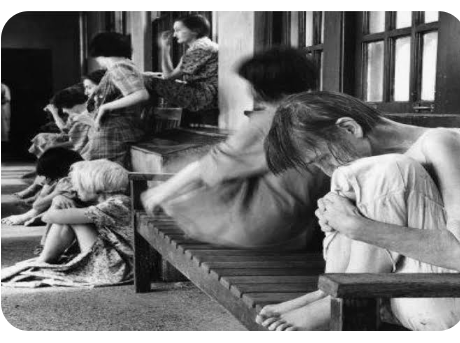
In Massachusetts, Danvers State Hospital became one of the most infamous psychiatric institutions in American history. Opened in 1878, the colossal facility was constructed according to the Kirkbride Plan, a design philosophy that believed architecture could aid in the treatment of mental illness. Its towering Gothic buildings rose above the landscape like a castle from a nightmare. As patient populations increased, the idealistic idea of Danvers began to collapse. Overcrowding, underfunding and controversial treatments became part of the institution’s legacy. Stories of lobotomies, mistreatment and unexplained deaths helped cement its reputation as one of the most unsettling psychiatric hospitals in the country.
Perhaps no institution better illustrates the darker side of institutional care than Pennhurst State School and Hospital in Pennsylvania, USA. Originally intended to house individuals with intellectual and developmental disabilities, Pennhurst quickly became overcrowded and understaffed. Investigations during the twentieth century exposed shocking conditions. Residents were subject to abuse, neglect and inhuman living environments. Images and reports emerging from Pennhurst horrified the public and helped spark major reforms in the treatment of institutionalized individuals.

Though each facility served a different population and operated under different circumstances, they shared common themes. Isolation. Suffering. Death. Thousands of people passed through their doors during moments of extreme vulnerability. Many never returned to the life they once knew. Whether one believes in ghosts or not, it is easy to understand why such places inspire feelings of unease. Their walls witnessed pain on a scale that is difficult to comprehend.
When Asylums Became Horror
Horror filmmakers did not have to invent reasons to fear asylums, the fear was already there.
The idea of being locked away against your will, losing control of your mind or being dismissed by those meant to help you strikes at something primal. Unlike vampires, werewolves or ancient curses, these fears felt possible. Real institutions existed. Real people were confined within them. Real treatments were performed behind closed doors.
One of the earliest films to explore these fears was Bedlam (1964), inspired by London’s notorious Bethlem Royal Hospital. While modest by modern standards, the film helped establish the asylum as a setting where cruelty could thrive under the guise of treatment. It introduced audiences to the frightening possibility that those in power might be more dangerous than the patients themselves.

As horror evolved, so did the asylum in Session 9 (2001), the abandoned Danvers State Hospital becomes a character unto itself. The film’s terror emerges not from the jump scare or monsters but from the oppressive atmosphere of a real institution with a troubled history. Every corridor feels haunted by memory. Every room suggests something terrible occurred long before the characters arrived.
Other films embraced different aspects of asylum horror. Gothika (2003) explored the fear of losing control and waking up imprisoned within the very system meant to protect people. Shutter Island (2010) blurred the line between sanity and madness. It forced audiences to question what was real and what was hallucination. Stonehurst Asylum (2014) drew directly from nineteenth century psychiatric practices while Grave Encounters (pt.1 – 2011, pt. 2 -2012) transformed the abandoned asylum into a supernatural labyrinth. Escaping became impossible.
What makes these films so effective is that they borrow from reality. The crumbling walls, abandoned wards, treatment rooms and patient records all have real world counterparts. The supernatural may be fictional but the setting itself is grounded in history. That connection gives asylum horror a level of authenticity that few other subgenres can match.
Why We Keep Returning To The Asylum
Decades after these institutions have closed, people remain fascinated by them.
Ghost hunting crews continue to investigate Pennhurst, Danvers and Trans-Allegheny. Horror fans travel hundreds of miles to tour abandoned wards and walk through buildings they have seen featured in documentaries and paranormal television shows. Filmmakers repeatedly return to the asylum because that setting continues to resonate with audiences in ways other locations can’t.
Part of that fascination comes from the ghost stories. Humans have always been drawn to places associated with death and tragedy. The idea that suffering may leave something behind is deeply embedded in folklore, making former institutions breeding grounds for tales of hauntings and restless spirits.
The deeper reason, however, lies in what these buildings represent. The asylum is horror’s modern haunted castle. It symbolizes isolation, helplessness and fear of losing control over one’s life. Unlike ancient ruins or fictional mansions, these places existed, they are real. The records remain. The records remain. The photographs remain. And in some cases, even survivors remain.
Perhaps that is why asylum horror endures. The ghosts may or may not be real. But the suffering surely was. Every shadowy hallway, every abandoned surgery room and every tale of restless spirits is built upon history. Long before these institutions became the setting for horror movies and ghost stories, they were places where real people lived, suffered and sadly, were forgotten. That reality remains more unsettling than any apparition lurking in the dark.