
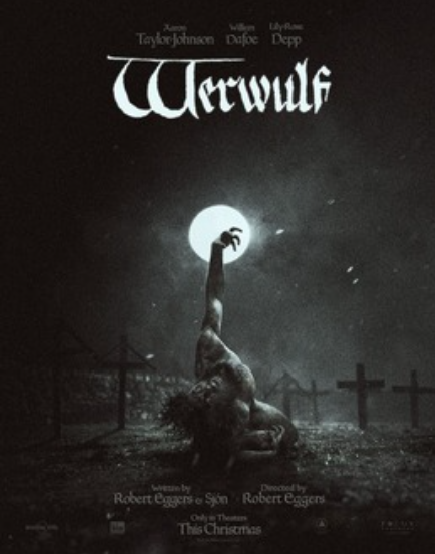
 With Robert Eggers’ Werwulf coming to theaters this Christmas, the werewolf is once again stepping out of the shadows and into the spotlight. Set for release on December 25, 2026, Eggers’ latest horror films promises a brutal and dark take on the creature. The story is centered on devotion, damnation and the devil within. Starring Aaron Taylor Johnson, Lily Rose Depp and Willem Dafoe, Werwulf takes place in medieval England, returning the werewolf to a time long before Hollywood had settled on all the rules associated with the beast.
The werewolf has never really gone away. For more than a century, filmmakers have returned to the image of a human being transformed into a beast. Each generation has found something to fear in that transformation. Sometimes the fear is the violence. Sometimes it’s the loss of control. Sometimes it’s the fear that the creature hunting in the darkness is somebody you know. Beneath all of those variations is something older and far more unsettling. The fear that there is something inside of us that can take control.
That may be what makes the werewolf so different from so many classic horror monsters. A vampire can enter your home. A creature can crawl out of the muck. The dead can rise from their graves but the werewolf does not need to come looking for you, it’s already there. The person you trusted can become the thing you should be running from.
The Wolf Among Us
That fear is hardly new. Long before Hollywood gave us silver bullets and full moons, stories of people transforming into wolves appeared throughout European folklore. The details varied from one region to another but the basic fear remained familiar. A person could cross a line and become something less human, something driven by hunger and instinct.
What makes the idea so unsettling is that the lore has remained the same. We may no longer look into the woods and wonder if a neighbor has been cursed but the thought of the story still hits close to home. We know people can lose their tempers, act on violent impulses or lose control and become unrecognizable. The werewolf simply takes that fear and gives it teeth, fur and claws.
Hollywood understood that almost immediately.
When The Wolfman arrived in 1941, Larry Talbot was not just another creature stalking the night. He was a man caught between what he was and what he was becoming. The tragedy was not simply that he could turn into a wolf. It’s that he knew the brutality that the wolf was capable of doing.
That idea has followed the werewolf through decades of horror. Is there a man left after the transformation, or has his humanity been wiped away? In An American Werewolf In London (1981), the transformation is grotesque and painful, making the audience feel every moment of David’s body being taken apart and remade. Ginger Snaps (2000) took the transformation in another direction, using the werewolf as a way to explore adolescence, identity and the frightening realization that your own body can feel like something you no longer recognize.
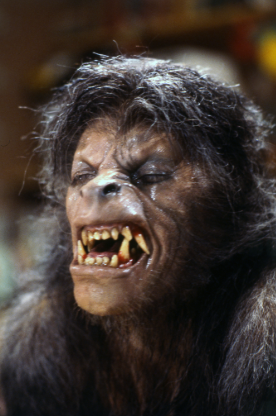
The werewolf can change depending on the movie, but it always carries the same question: How much of the human being is left?
When The Wolf Wakes
The werewolf has survived because it can represent so many of the things we fear about ourselves: violence, rage, shame, desire and the loss of control. The creature doesn’t always have to be the entire story. The lesser known Late Phases (2014) is a good example. Its werewolf is frightening but the film also builds its horror around isolation, vulnerability and the fear of being unable to protect yourself.
That flexibility is what keeps the creature alive. One story can make the creature tragic another can turn it into a relentless predator. While another may make it something impossible to understand. The wolf changes, but the fear lying underneath stays the same.
That’s what makes Werwulf especially intriguing. By taking the creature into medieval England, Eggers has the opportunity to strip away some of the rules that audiences expect and make the werewolf feel unfamiliar again. Before Hollywood gave us the silver bullet and the full moon, there was no guarantee what the beast may be or how it may be stopped.
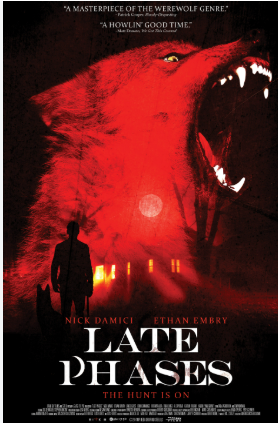
Maybe that is what the werewolf needs after all these years: not a new set of rules but fewer of them.
Because beneath the fur, claws and teeth is still the thing that makes the creature so frightening. A human being is still in there somewhere, trapped beneath the monster and maybe aware of what it has become.
We may not believe there is a wolf waiting outside of your window but we understand the fear of losing control. We understand the possibility of becoming something that we no longer recognize.
And sometimes, the most frightening monster isn’t the one waiting in the darkness. It’s the one that wakes up inside of us.