


Alien abduction horror does not begin with spaceships screaming across the sky or laser battles among the stars. It begins quietly. In a bedroom. In the paralysis of sleep. In the certainty that something is present, watching, waiting and utterly indifferent to consent. Unlike invasion narratives or extraterrestrial wars, abduction horror strips away heroism entirely. There is no resistance, no victory, only removal. You are not conquered. You are collected.
This is why alien abduction has remained one of horror’s most enduring and unsettling themes. It does not rely on gore or spectacle, but on violation, disbelief and the terror of being erased from your own life while others sleep peacefully beside you.
From Wonder To Contact – When Contact Turns Cruel
Early cinematic depictions of alien contact often leaned toward awe. Close Encounters Of The Third Kind (1977) portrayed extraterrestrials as enigmatic but ultimately benevolent, their abductions framed as invitations rather than assaults. Yet even in Spielberg’s glowing optimism, there is something quietly disturbing. The abductees are changed. Removed from their families. Drawn away by a force they do not fully understand. The seeds of horror are already there, a loss of one’s self described as transcendence.
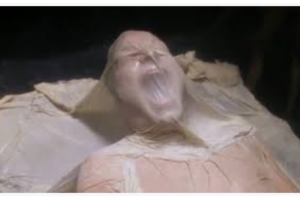
That illusion shattered with Fire In The Sky (1993), one of the most harrowing depictions of alien abduction ever put to film. Based on Travis Walton’s alleged 1975 disappearance, the movie strips abduction of wonder entirely. Walton’s experience is not enlightening. It is violent, surgical and dehumanizing. The infamous examination sequence, with its suffocating membranes, needle-like instruments and the cold unblinking observers, feels closer to a slaughterhouse than a laboratory. Whether one believes Walton’s account or not is irrelevant. What matters is it mirrors the language of abduction reports. Restraint. Paralysis. Probing and a profound feeling of helplessness.
Communion and the Birth Of The Modern Nightmare
If Fire In The Sky made abduction look horrifying, Communion (1989) made it intimate. Adapted from Whitley Strieber’s controversial memoir, the film introduced the now iconic grey alien visage into mainstream culture. Not as a monster but as a presence. The beings in Communion do not crash through walls or burn cities. They appear at the foot of the bed, half-seen, smiling vaguely. Their eyes too large, too knowing.

Strieber’s accounts and the dream-like presentation, blur the line between psychological breakdown and external invasion. The ambiguity is crucial. Many real-life abductees describe lifelong trauma, recurring visitation and fragmented memories retrieved only through hypnosis. Whether these experiments stem from extraterrestrial contact, sleep paralysis or the mind’s response to stress and fear is still highly debated. But the horror remains the same: the certainty that something happened and that it will happen again.
“Based On True Events” – The Fourth Kind and Manufactured Reality
The Fourth Kind (2009) weaponized this uncertainty by blending found footage aesthetics with dramatized reenactments, presenting itself as a case file rather than a movie. Set in Nome, Alaska, a real location associated with disappearances and UFO lore, the film leans heavily into the abduction hallmarks. Missing time. Hypnosis. Owl imagery and violent reactions during memory retrieval.

What makes The Fourth Kind particularly disturbing is not the aliens themselves. But the way the film mimics real life testimony. Subjects scream in ancient languages. Bodies convulse as memories surface. The aliens are not explorers. They are wardens. The film taps into a recurring fear in abduction lore. That these beings have been here longer than we realize, watching, intervening and shaping human behavior without explanation or remorse.
Home Invasion From The Stars
Found footage films like Alien Abduction: Incident In Lake County and The McPherson Tape reduce the phenomenon to its most primal terror: something entering your home without permission. These films strip away mythology and replace it with chaos. Screaming family members, flickering lights, sudden silence. There are no answers, only escalation.

This theme carries into Extraterrestrial (2014), which abandons doubt altogether. The aliens are cruel, methodical and openly hostile. Humans are captured, experimented on and discarded. The film’s bleak ending reinforces a growing trend in modern abduction horror. There is no higher purpose, no cosmic enlightenment. There is only harvest.
Real Life Accounts – Horror Without Closure
The true horror of alien abduction lies in how closely cinema mirrors real life testimony. From Betty and Barney Hill’s 1961 account to the thousands of reports cataloged by researchers like Budd Hopkins and David Jacobs, abduction narratives follow a chillingly consistent pattern. Sleep paralysis. Levitation. Examination. Return. Silence.
Many abductees report physical marks, unexplained scars, reproductive trauma and lifelong anxiety disorders. Skeptics argue for psychological explanations, neurological events or cultural suggestions. But horror thrives in that uncertainty. If every case could be explained cleanly, the fear would evaporate. Instead we are left with fractured memories, ruined lives and the unbearable possibility that something non-human has taken interest in us.
Why Alien Abduction Horror Endures
Alien abduction is not about extraterrestrials. It is about powerlessness. It is about not being believed. It is about waking up changed and being told you imagined it. Unlike ghosts or demons, aliens do not punish or seek vengeance. They do not care. They take what they want, when they want and leave you alive to remember it.
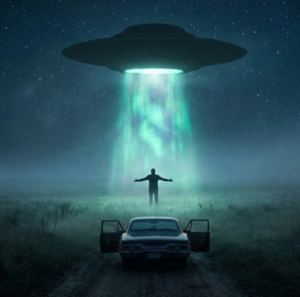
In a genre obsessed with survival, abduction horror offers no escape. You are taken. You are returned. You go back to work. You lie beside your spouse. And every night you wonder if the lights outside of your window are just streetlights or something coming back to take you.