
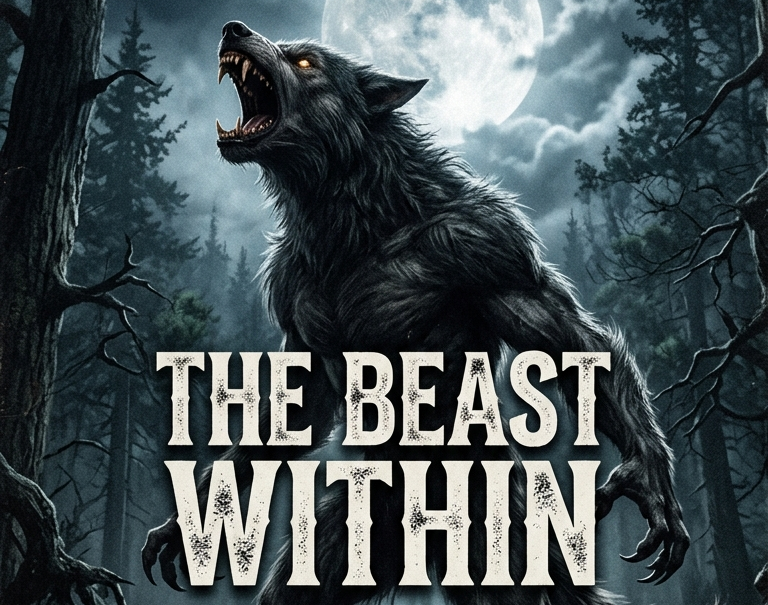
Few monsters have endured as long as the werewolf. Long before monsters stalked Gothic castles or zombies shuffled across movie screens, stories of men transforming into beasts haunted campfires and village taverns. The werewolf is one of humanity’s oldest monsters, a creature born from fear, superstition and the uncomfortable truth that beneath civilization’s thin veneer lurks something wild.
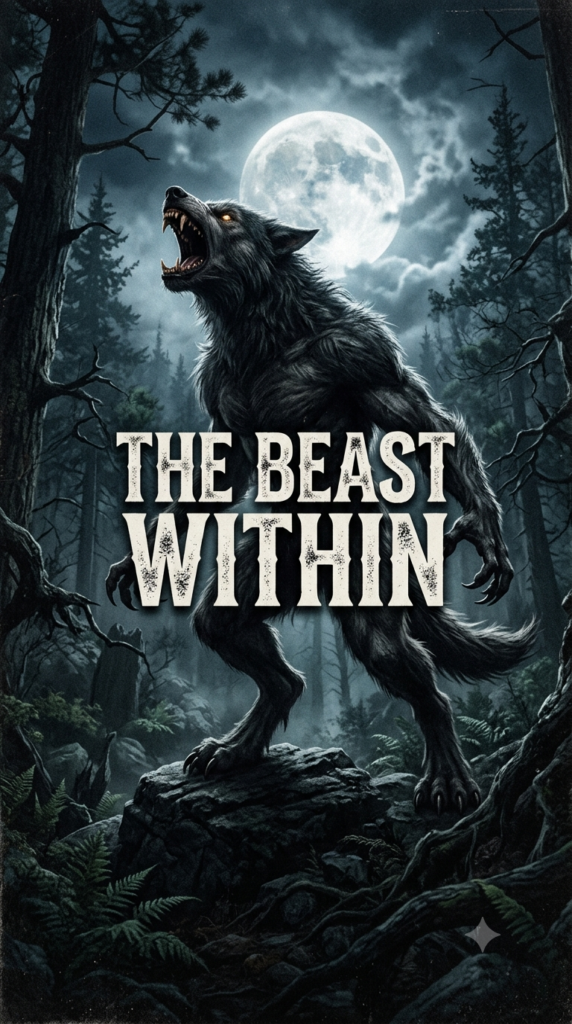
Unlike many monsters, the werewolf is not an outsider. It is not an ancient vampire arriving from a distant land or a ghost returning from the grave. The werewolf is one of us. It’s a friend. A neighbor. A husband or a parent who becomes something else when darkness falls. The idea that a human being can lose control and become a monster has fueled nightmares for centuries.
Despite its importance to horror, the werewolf often receives less attention than it deserves. Yet few creatures have a history as rich or a symbolism more powerful. The werewolf is more than a monster. It is a reflection of society’s struggle between reason and instinct, civilization and savagery.
A Curse As Old As Civilization
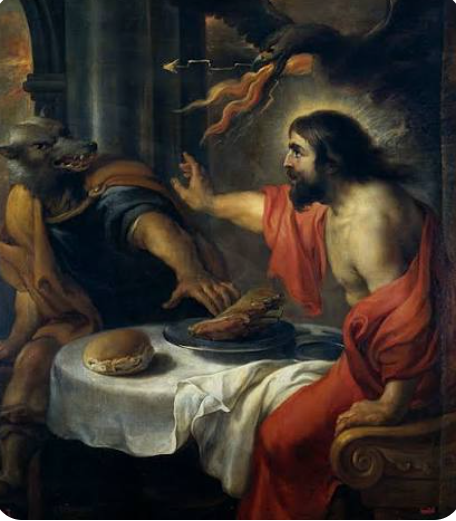
The legend of the werewolf stretches back thousands of years. One of the earliest tales comes from ancient Greece where King Lycaon attempted to deceive Zeus by feeding him human flesh. As punishment, Zeus transformed him into a wolf, giving rise to the term lycanthropy, which is still used today to describe the mythical condition of becoming a werewolf.
As wolves spread across Europe, so did the stories. For medieval villagers, wolves were not fairy tale creatures. They stalked forests, preyed upon livestock and represented the dangers lurking just beyond the safety of the village fire. It wasn’t difficult for superstition to convince the frightened communities that some wolves walked on two legs by day and four by night.
Fear eventually gave way to hysteria. During the Middle Ages people accused of being werewolves were captured, tortured and often executed along with those accused of witchcraft. Whether the accusations stemmed from superstition, mental illness or simple paranoia, they reveal just how deeply people believed the curse was real.

Among the many traditions surrounding werewolves, none became more enduring than the belief in Wolfsbane. Also known as Aconite, the purple flowering plant was thought to repel or weaken creatures cursed to wear a wolf’s skin. Villagers hung it above doorways, carried it into the forest and planted it near their homes in hopes of keeping the beasts at bay. While many of these beliefs have faded into legend, this one has endured thanks to horror cinema.
In The Wolf Man (1941), an old Romani woman Maleva recites a haunting rhyme that has become inseparable from werewolf lore:
“Even a man who is pure of heart
And says his prayers at night
May become a wolf
When the Wolfsbane blooms
And the Autumn moon is bright.”
Although specifically written for the film rather than borrowed from ancient folklore, the verse perfectly captures the spirit of the werewolf legend. It reminds us that the curse doesn’t always afflict the wicked. Sometimes it finds the innocent, transforming an ordinary person into a terrifying brute beneath the light of the full moon.
Hollywood’s Beast
No film shaped the modern werewolf more than The Wolf Man. Lon Chaney, Jr. gave audiences something that they never truly seen before: a monster worth sympathy. Larry Talbot was cursed, not cruel and every transformation pushed him further from the man he wanted to be. Many of the ideas we now associate with werewolves, the tragic victim, silver as a weapon against the beast and the escapable curse became staples of horror because of this classic film.
For decades, filmmakers searched for new ways to portray the transformation itself. Then, in 1981 two films changed everything.
The Howling shocked audiences with Rob Bottin’s groundbreaking practical effects. Bones stretched, skin twisted and human features grotesquely reshaped into something unmistakably inhuman. Later that same year, An American Werewolf In London raised the bar even higher. Rick Baker’s Academy Award winning effects turned the transformation into an agonizing spectacle of snapping bone, expanding muscles and uncontrollable pain. Even today, many horror fans consider it the greatest werewolf transformation scene ever put on film.
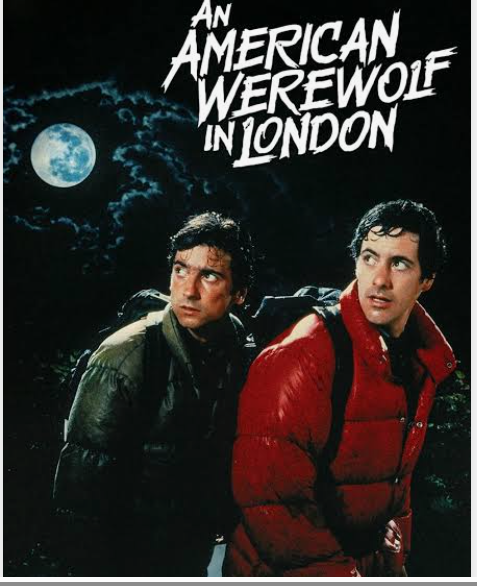
Modern filmmakers continue to reinvent the legend than simply repeat it. Wolf Man (2025) returns to the idea of the curse as a deeply personal horror, focusing on fear, isolation and the destruction of family. On the other end of the spectrum Werewolves (2024) embraces larger scale action while reminding audiences that once humanity loses control, civilization can unravel with terrifying speed.
Each film approaches the creature differently, yet they all understand the same simple truth. A werewolf is frightening because the monster and the victim are the same person.
Why The Werewolf Still Matters
Every generation reshapes its monsters to reflect its own fears. Vampires became symbols of temptation and immorality. Zombies mirror our anxieties about pandemics, consumerism or societal collapse. The werewolf, however, has always represented something more intimate.
It is the fear of losing control.
It is the rage we struggle to suppress, the violence we hope to never unleash and the uncomfortable realization that beneath our civilized lives lies an instinct we cannot completely erase. That idea was terrifying a thousand years ago and it remains just as unsettling today.
Perhaps that is why the werewolf deserves more appreciation than it often receives. It has survived ancient mythology, medieval superstition, classic Universal horror, revolutionary special effects and modern reimagining without ever losing what made it compelling in the first place.
The werewolf reminds us that the most frightening monsters are not ones hiding in the forest.
They are the ones hiding beneath our own skin.