
By Kadrolsha Ona Carole
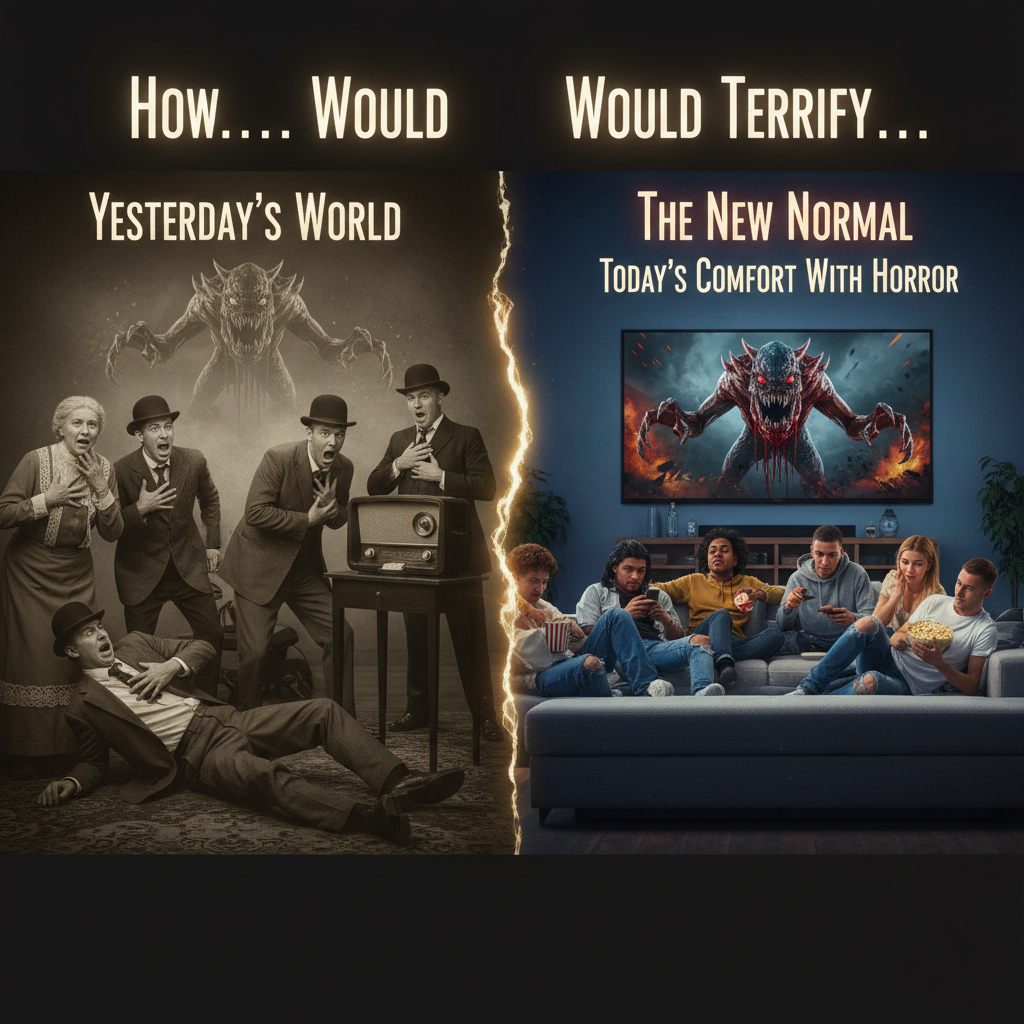
There was a time—not long ago—when horror lived in the shadows. It lurked at the edges of polite society, whispered about, dismissed as lowbrow, or condemned as corruptive. Yesterday’s world treated horror films like forbidden artifacts, capable of warping minds or summoning something unspeakable simply by being watched.
Today, we stream them over breakfast.
When Fear Was Feared: Decades ago, horror movies were treated almost like dangerous rituals. Parents warned children that such films would give them nightmares for weeks. Communities protested theaters that dared to show them. And critics—those self‑appointed guardians of culture—often described horror as a stain on cinema.
People didn’t just fear the monsters on screen. They feared what watching them meant.
Horror was taboo. Horror was deviant. Horror was something you consumed quietly, guiltily, hoping no one noticed.
Today’s Horror: A Comfort Blanket of Darkness: Fast‑forward to now, and the transformation is almost supernatural.
Horror is mainstream. Horror is celebrated. Horror is… cozy?
We binge entire franchises in a single weekend. We dissect jump scares like sports highlights. We turn slashers into memes, villains into icons, and haunted houses into seasonal family outings.
What once was forbidden is now a shared cultural language. A teenager today might watch a demon‑possession movie on their phone while scrolling social media, barely flinching at scenes that would have sent their grandparents into a cold sweat.
It’s not that the films have become less disturbing. It’s that we have.
Why the Shift?: Several forces dragged horror out of the cellar and into the living room:
· Desensitization: With constant exposure to violence in media, horror feels less shocking.
· Catharsis: Modern life is stressful; horror offers a controlled release valve.
· Community: Online fandoms turned fear into a shared experience rather than a private shame.
· Artistic evolution: Horror now tackles grief, trauma, identity, and social issues—earning critical respect.
Yesterday’s world saw horror as a threat. Today’s world sees it as a mirror.
But Something Unsettling Lingers: Here’s the twist: Our acceptance of horror says as much about us as the films themselves.
If yesterday’s fear was naïve, today’s comfort might be something darker. We don’t just tolerate horror—we seek it out. We invite it in. We let it sit beside us on the couch.
The monsters haven’t changed. We have.
And maybe that’s the real horror story.
Tomorrow’s Question: As our appetite for fear grows, one wonders what future generations will think of us. Will they marvel at our resilience? Or will they whisper that we were the ones who finally stopped being afraid of the dark… because we had already become part of it?
Visit KO: https://queenoftheparanormal.com