
What if the camera never cut away? What if what you watched wasn’t effects at all but real death, real blood, real screams?
There’s a whisper that lives in the darker, seedier corners of film history, the snuff film. A rumor that persists no matter how many times it’s debunked – the existence of snuff films. Actual murders committed on camera for the purpose of distribution, consumption or pleasure. Although there are probably bootlegged amateur films like this, no verified snuff film has ever been found. The myth has taken on a life of its own, becoming a chilling muse for some of horror’s more disturbing works.
The Birth Of A Modern Boogeyman
The term “snuff film” entered the public consciousness in the late 1970s, largely thanks to a book titled The Family, which recounted the crimes of the Manson family. In it, a passing suggestion was made that they filmed the murders. Around the same time, a low-budget exploitation film called Snuff (1976) was released with a fake final scene added to mimic a real on-camera killing. The tagline? “The film that could only be made in South America. Where life is cheap.”
The outrage was instant. A legend was born.
From that point on, the snuff film became a moral panic, fueled by anxieties of pornography, underground media and the ease at which images could be consumed without context. While law enforcement and investigative journalists repeatedly failed to uncover an actual snuff film. The idea refused to die.
Why? Because horror thrives on the possibility that what you’re watching might be real.

The Poughkeepsie Tapes (2007) – A Found Footage Descent Into Hell
John Erick Dowdle’s The Poughkeepsie Tapes is perhaps the most terrifying exploration of snuff-style footage in modern horror. Presented as a documentary, with interspersed home videos of abduction, torture and murder, it is convincingly real. The film brilliantly blurs the line between fiction and reality so well it was briefly shelved after a festival viewing. Studio executives were concerned about the film’s extreme content and potential for controversy. But actual festival audience members were amazed, shocked and thought it was a masterpiece.
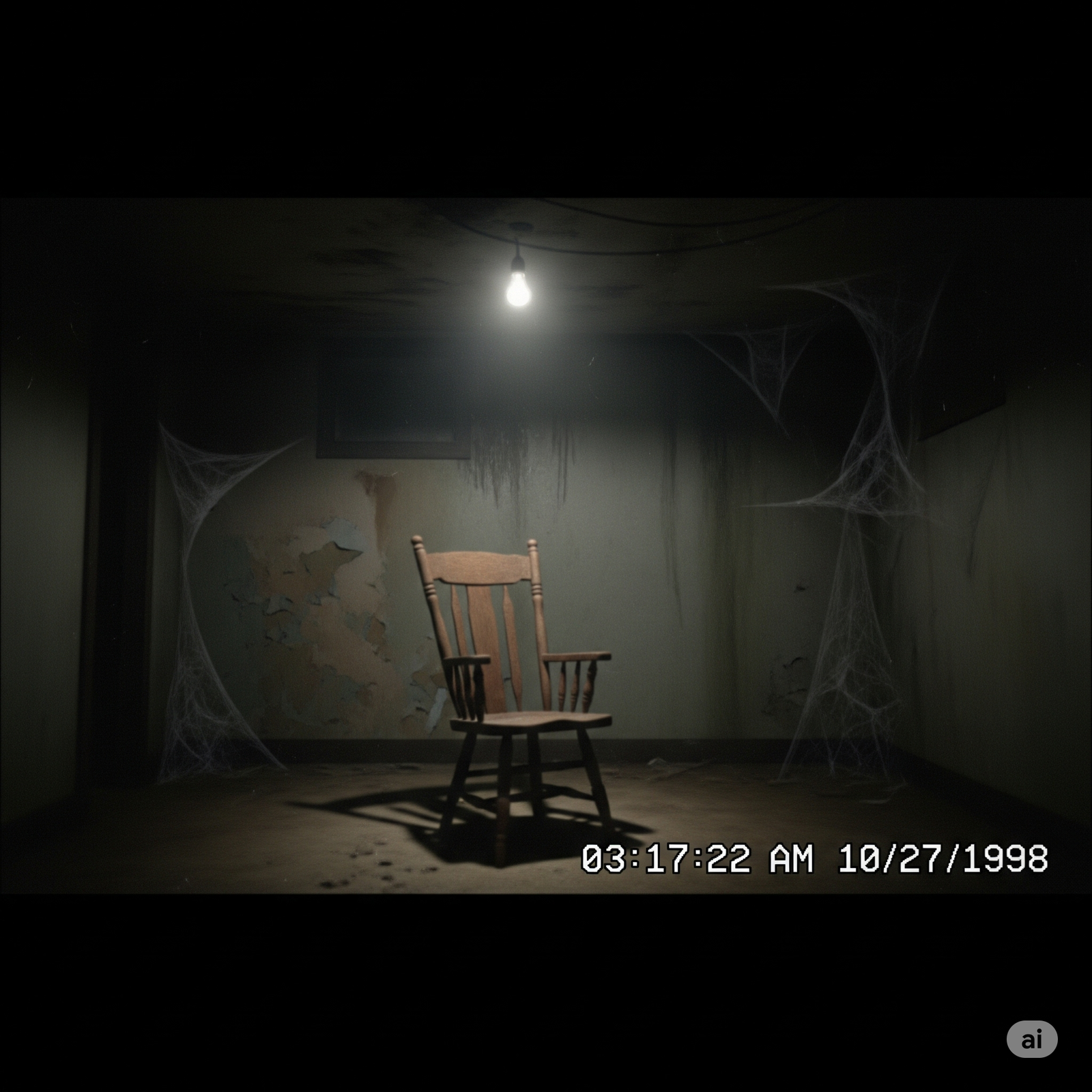
The killer, Edward Carver is faceless in motive and method, filming everything, revisiting his kidnapped victims, even gaslighting one into falling in love with him. He broke his victims, isolated them, psychologically tortured them and forced them to perform for the camera like they were complicit in the crime. Once their minds were shattered, he moved to the body. Binding. Mutilating and revisiting for days or even weeks, drawing out their agony for the sake of his archive of horror. The footage is grainy. Lo-fi. Cold. It lacks any semblance of a Hollywood production and that’s what makes it horrifying.
Unlike slasher films, The Poughkeepsie Tapes doesn’t celebrate gore and violence, it catalogs it.
Cannibal Holocaust (1980) – The Film That Got A Director Arrested
Long before found footage was a genre, Ruggero Deodato unleashed Cannibal Holocaust. A film so convincing of its savagery that Italian authorities believed the actors had been murdered. Deodato was arrested and had to bring the actors to court to prove that they were alive.

Set in the Amazon, the film depicts a documentary crew’s violent end at the hands of the native tribe, after committing atrocities of their own. The shocking realism is compounded by actual animal killings, which remains controversial to this day. Its found footage framing style was not only groundbreaking but revolutionary. It made audiences question whether what they were seeing was real or not. Even decades later, Cannibal Holocaust is remembered not only for its brutality but for its unflinching indictment of media exploitation.
This movie weaponized the snuff film myth. It suggested that the real monsters weren’t the savages but the Western filmmakers who would do anything for a shot. It questioned the ethics of the media and the voyeuristic thrill of watching death.
Even if deaths aren’t real, the idea lingered: What if they were?
A Serbian Film (2010) The New Face Of Taboo
If Cannibal Holocaust tested the limits of a 1980s audience, A Serbian Film obliterated them. Marketed as a political allegory about exploitation under a corrupt regime, it is graphic and not for the weak. It follows a retired porn star lured into what becomes a descent into depravity, coercion and unspeakable acts. In a drug fueled blackout, he sinks into the world of necrophilia and pedophelia. All filmed for a mysterious “exclusive” audience.

While its director insists that it is symbolic, the imagery is so extreme that the film has been banned or heavily censored in several countries. It ignited debates about whether art can justify such content. Like the snuff film myth itself, A Serbian Film forces viewers to confront the question: is the horror in what we see, or in the fact that somebody imagined it at all?
8MM (1999) – The Mainstream Descent
Joel Schumacher’s 8MM takes the snuff legend out of the grindhouse and into a polished Hollywood thriller. Nicolas Cage plays a private investigator hired to verify whether an 8mm reel depicts actual murder, leading him deep into the shadows of the underground pornography trade. The journey strips away the glamour of detective work. It’s replaced with encounters in dim backrooms, seedy auctions and the quiet menace of men that view human life as disposable.

While the violence is implied more than shown, the film’s power lies in the atmosphere of moral decay. Suggesting that the true horror of the snuff film myth isn’t just in watching death but in the willingness to seek it out. By the time the masked killer, nicknamed “The Machine,” delivers the chilling line, “Because I wanted to,” the viewer realizes that the snuff legend’s most terrifying aspect is the banality of evil.
Snuff – A Final Frame
The snuff film may be an urban legend but its shadow stretches across decades of cinema, from exploitation to art house. Paolini’s Salo: 120 Days Of Sodom (1975) confronted audiences with political depravity masquerading as elite indulgence. Paul Schrader’s Hardcore (1976)peered into the underbelly of the porn industry with the raw grief of a father searching for his missing daughter. And, of course, Martyrs (2008) pushed the boundaries of endurance horror, fusing philosophical and theological inquiry with relentless physical torment and gore.
These films along with The Poughkeepsie Tapes, Cannibal Holocaust, A Serbian Film and 8MM, may not be real snuff films but they channel its power. The idea that someone, somewhere might watch suffering not with horror but with hunger. It’s that possibility, more than any piece of lost celluloid, that keeps the snuff film alive. Because as long as there is an audience, there will be someone willing to give them what they want. No matter the cost.