
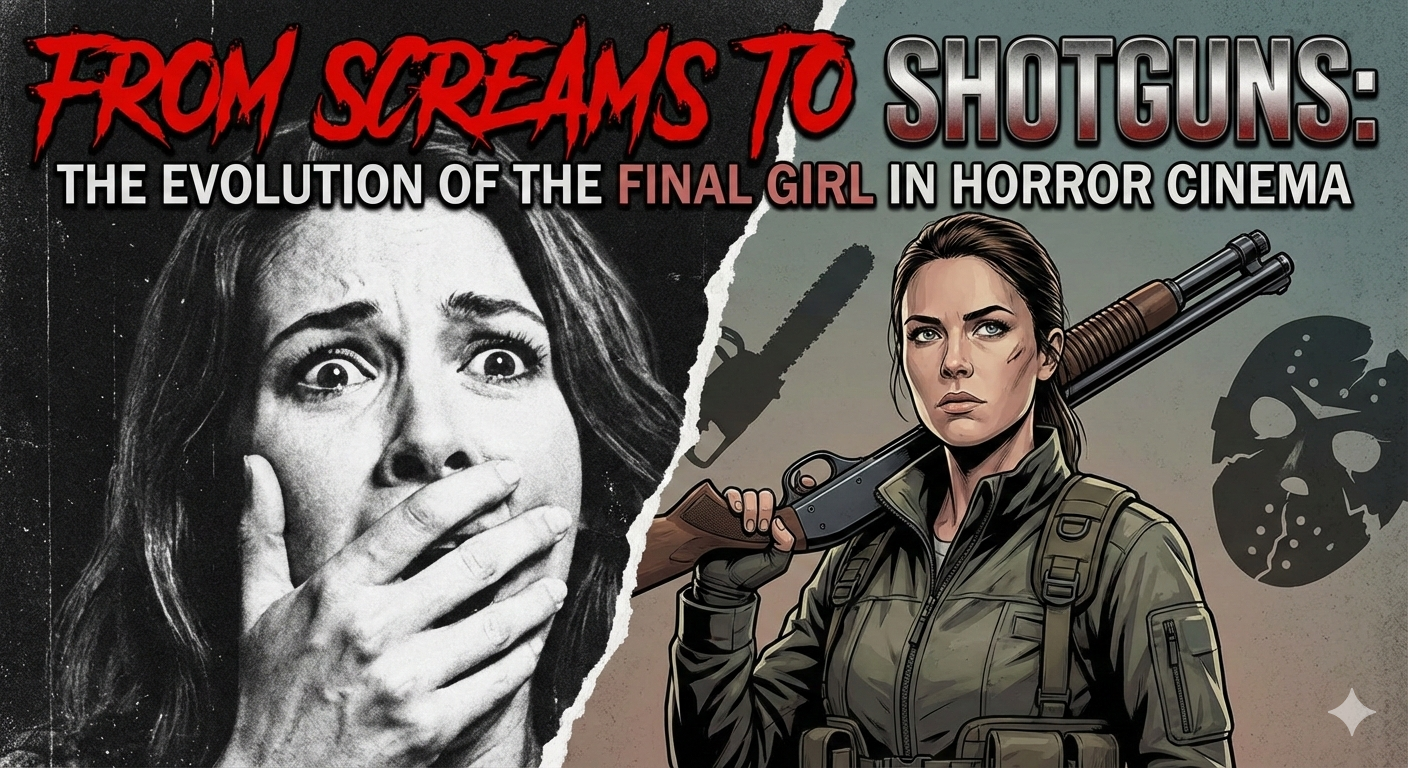
She starts as a victim. She ends as the last thing the killer sees before dying.
The “final girl” is one of horror’s most enduring archetypes, the lone survivor who crawls out of the carnage when the screen fades to black. But she didn’t begin as the hardened, blood splattered survivor that horror fans celebrate today. Her origins lie in a much softer, more fragile role: the damsel who screamed while death closed in.
Over decades, she changed. She adapted. She learned to fight back.
And somewhere between the gothic castles of early horror and the blood soaked basements of modern slashers, she stopped being prey and became something far more dangerous.
The Damsel Era: Pretty, Helpless and Doomed To Scream
In early horror cinema, women were rarely survivors instead they were set dressing for terror. Pale, trembling and often unconscious, they existed to be chased, hunted, captured and sacrificed.
Look at Dracula and Frankenstein, both from 1931, and you’ll find women framed as fragile prizes rather than fighters. Their terror was theatrical: scared eyes, shaking hands, the fall and the inevitable swoon and faint. They weren’t meant to defeat the monsters. They were meant to be threatened by them.
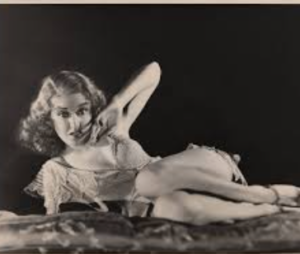
Even spectacle driven horror like King Kong (1933) leaned heavily on the helpless heroine. Fay Wray’s iconic screams became part of horror’s DNA, but screaming was all she could do. She survived not because of strength or cunning but because somebody intervened. Her beauty was framed as bait – screams, bare legs and torn fabric, her glamour and vulnerability packaged together. It made the perfect spectacle for an audience trained to fear for the pretty girl in peril.
For decades this remained the template. Women ran through fog, tripped over nothing and awaited rescue. Survival belonged to luck and beauty not skill and awareness. The “final girl” as we know her didn’t exist yet. Only victims did.
The 1970s: When Survival Got Ugly
The 1970s dragged horror out of fantasy and into the dirt.
Violence became intimate. Settings became familiar. And suddenly, survival depended not on rescue but endurance.
In Texas Chainsaw Massacre (1974) audiences witnessed something raw and feral: a young woman pushed past the limits of sanity, sprinting through darkness while her friends were butchered one by one. By the end she wasn’t composed or heroic. She was covered in blood shrieking with laughter and hysteria, her mind barely intact.

She didn’t defeat the monster. She escaped it by the skin of her teeth.
Then came Halloween (1978), which sharpened the idea into a formula. The babysitter that notices something is wrong. The one who doesn’t drink, wander off and doesn’t ignore the shadows. When Michael finally corners her, she doesn’t collapse. She fights. Stabbing with knitting needles. Jamming hangers into eyes and using whatever was within reach.
Film scholar Carol J Clover would later name this archetype the “final girl,” describing the lone female survivor who confronts the killer in the climax. She’s observant, cautious and resilient. Most importantly she endures. Not cleanly, not heroically but viscerally.
The “final girl” was born of sweat, terror and sheer refusal to die.
1980s: Blood, Trauma and The Rise Of The Fighter
The slasher boom of the 1980s turned horror into a meat grinder, and the “final girl” into the emotional core.
Masked killers like Jason Vorhees and Freddy Krueger slaughtered their way through casts of disposable teens, leaving one woman alive to face the nightmare head-on.
In Friday The 13th (1980), survival depended on awareness. The final girl” noticed what others didn’t – the silence, the absence, the creeping wrongness. By the time she realized the truth, her friends were already corpses. Her reward for being aware? She is hunted last.

In A Nightmare On Elm Street (1984), survival demanded more than just running. It required strategy. The heroine, Nancy, studied the killer haunting her dreams, murdering her friends and turned fear into a weapon. She didn’t just endure the nightmare, she dragged it into reality and forced it to bleed.
By now the “final girl” wasn’t just surviving. She was adapting. But survival came at a cost. These women watched lovers gutted, friends decapitated and families destroyed. They crawled through broken windows, ran on injured legs, limped through forests and staggered into dawn soaked in other people’s blood. Victory rarely looked triumphant. It looked like shock, shaking and delirious, still clutching whatever weapon had kept them alive.
The “final girl” survived but she didn’t walk away clean.
Modern Horror: The Survivor Becomes The Hunter
By the 1990s and beyond, the “final girl” had learned the rules and started breaking them.
Scream (1996) turned the trope inside out by giving its survivors genre awareness. She knew the cliches. She knew what got people killed. Instead of stumbling blindly into danger, she anticipated it, weaponized it and used it to outthink the killer. Survival wasn’t luck anymore. It was strategy.
From there, horror stopped asking if the final girl could survive. It was asking how far she would go to achieve it.
In The Descent (2005), survival meant crawling through suffocating caverns and emerging covered in blood. Not all of it belonged to the monsters. In You’re Next (2011), the supposed victim reveals herself to be the most dangerous person in the house. She turned kitchen tools into instruments of mutilation and reduced the home invaders into screaming meat.

Modern “final girls” don’t just endure horror. They weaponize it. They bite back. They set traps. They’ll cave in a skull when escape isn’t possible.
Morality is no longer the deciding factor in who lives. Purity does not guarantee survival. What matters now is resilience. A willingness to get dirty. Get brutal and keep breathing no matter how much blood is spilled.
The “final girl” has evolved from trembling victim to scarred warrior. She limps out of massacres with torn clothing, cracked bones and eyes that have seen way too much. Sometimes she defeats the monster. Sometimes she simply outlasts it. Either way, she carries the memory of the screams of those that didn’t make it out alive.
The killer may dominate the posters. The monster may get the franchise. But horror belongs to the one who survives the night. The one who crawls over bodies. Grips a weapon with shaking hands and refuses to join the dead.
The “final girl” is not just the last one standing anymore. She’s the one the monsters should fear.